Skip to navigation Skip to content
Australian Infrastructure Investment Monitor 2025
Major Reports

Australian Infrastructure Investment Monitor 2025

The 2025 Australian Infrastructure Investment Monitor marks the tenth iteration of this research and remains the most comprehensive sector-wide analysis of the trends, issues and opportunities facing current and prospective investors in Australian infrastructure.

Australian Infrastructure Investment Monitor 2025

About the 2025 Australian Infrastructure Investment Monitor

Infrastructure Partnerships Australia and Allens are pleased to jointly present the 2025 edition of the Australian Infrastructure Investment Monitor.

This year’s report is the tenth iteration of this research and provides a comprehensive view of investor appetite and sentiment for the Australian infrastructure market. The report reveals insights into the drivers and challenges for infrastructure investors, which include superannuation and pension funds, fund managers, banks and other infrastructure professionals.

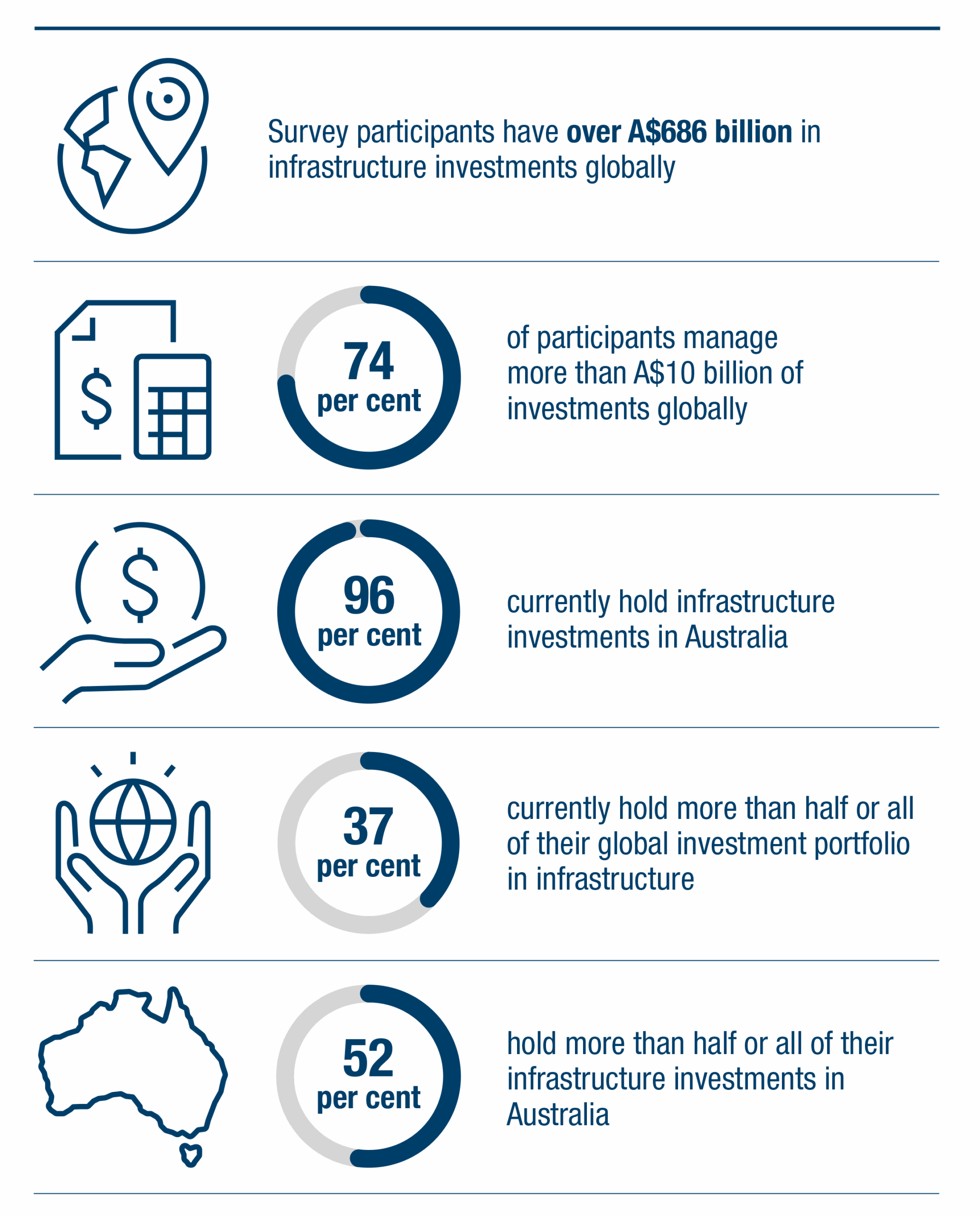
This report is informed by a survey which captures the views of international and Australian investors who together collectively own or manage over A$686 billion of infrastructure assets globally. The survey findings are furthered by insights from a series of interviews undertaken with 13 prominent members of the infrastructure community.

Escalator looking up

Executive Message

The 2025 Australian Infrastructure Investment Monitor marks the tenth iteration of this research and remains the most comprehensive sector-wide analysis of the trends, issues and opportunities facing current and prospective investors in Australian infrastructure. Across the past decade, this research has tracked investor appetite through cycles of political change, economic shocks, and global uncertainty. Despite these headwinds, sentiment toward Australia has rarely faltered. Investors continue to see Australia as a stable, transparent and reliable destination for long-term capital.

Nonetheless, respondents continue to call for greater opportunities to deploy capital in Australia – and highlight a number of market challenges which risk undermining Australia’s comparative advantage. Australia has a deep pool of private investment eager to participate in infrastructure; the challenge lies in ensuring there are sufficient investable projects to match appetite and that market settings, policies and investment programs are appropriately calibrated to attract and retain investment.

Australia’s global standing strengthens amid North American uncertainty

Australia has re-emerged as the leading destination for global infrastructure capital, supported by its political stability and reputation as a safe haven for long-term investment. This shift comes as confidence in North America slips, with economic and policy conditions creating short-term uncertainty in that market.

Renewable energy continues to dominate investor focus

Investor appetite for energy infrastructure remains strong, with firming and storage infrastructure identified as the most compelling asset for the third consecutive year. Transmission and distribution, and renewable generation also feature prominently, while interest in hydrogen has sharply declined amid stalled projects and market uncertainty. Battery and short-duration storage again sit atop within renewable assets, while wind and long-duration storage have strengthened their positions despite cost pressures. By contrast, offshore wind and solar projects have lost ground recording decreases in sentiment this year. The results underscore the energy transition’s central role in shaping investor priorities, with capital flowing to technologies demonstrating scalability and near-term viability.

However, the pathway to delivery is not without obstacles

Though investor appetite remains strong in renewable energy, significant challenges persist. Respondents identified red and green tape as the most pressing challenge to investing in Australia’s infrastructure market, particularly acute in energy infrastructure. Concerns also remain on the path dependency to transmission project delivery and the need for clear regulatory and policy frameworks, with current processes straining the efficient deployment of capital. These challenges risk slowing momentum at a time when the transition must accelerate.

Record sentiment for data centres

This year, data centres achieved its highest Investment Monitor ranking, placing joint third among preferred asset classes. Once seen as an extension of real estate, data centres are now firmly embedded in infrastructure mandates, supported by rapid growth in digital demand. Australia is positioning itself as a compelling, stable investment destination for this emerging asset class. At the same time, challenges around reliable power supply, water and land availability risk constraining growth.

Domestic challenges weigh on market outlook

While Australia’s global appeal has been bolstered, domestic barriers continue to weigh on investor sentiment. Rising labour costs and industrial relations remain prominent concerns, compounded by challenges with red and green tape. Taxation settings have also emerged as a pressure point. Together, these factors leave investors wary that, without substantive reform, costs and inefficiencies will erode competitiveness. Investors also remain cautious about broader government signals, with some continuing to point to the recommendations of last year’s interim independent toll review commissioned by the New South Wales Government as edging into sovereign risk territory.

Governments must mobilise to capitalise on interest

Adding to these pressures is a perception among respondents that the market is relatively static. While respondents see opportunity in asset classes like energy and data centres, they have called on governments to bring more investable opportunities forward in traditional sectors.

The challenge for the years ahead is not whether appetite exists, but how to retain and harness it. Amidst a backdrop of higher costs of capital and ongoing fiscal limitations, leveraging private capital will be essential for governments to deliver infrastructure priorities to support a growing population and ensure optimal outcomes for taxpayers. Addressing persistent bottlenecks and reducing policy and regulatory uncertainty will be key to capitalising on the opportunities presented in emerging sectors and government priority areas. With investors ready and eager to deploy capital, getting the market settings right and ensuring a sustainable forward pipeline will be key to maintaining momentum.

Infrastructure Partnerships Australia thanks each research participant for their contribution to the tenth Australian Infrastructure Investment Monitor.

Adrian Dwyer | Chief Executive Officer – Infrastructure Partnerships Australia

David Donnelly | Partner – Allens

Kip Fitzsimon | Partner – Allens

Amazing,Blue,Sky,With,Clouds,Over,Wind,Farm,In,Regional

Key Findings

Participant Profile

Drone,Aerial,Photograph,Of,The,New,Western,Sydney,International,Airport

Investment Intentions and Preferences


KEY FINDINGS

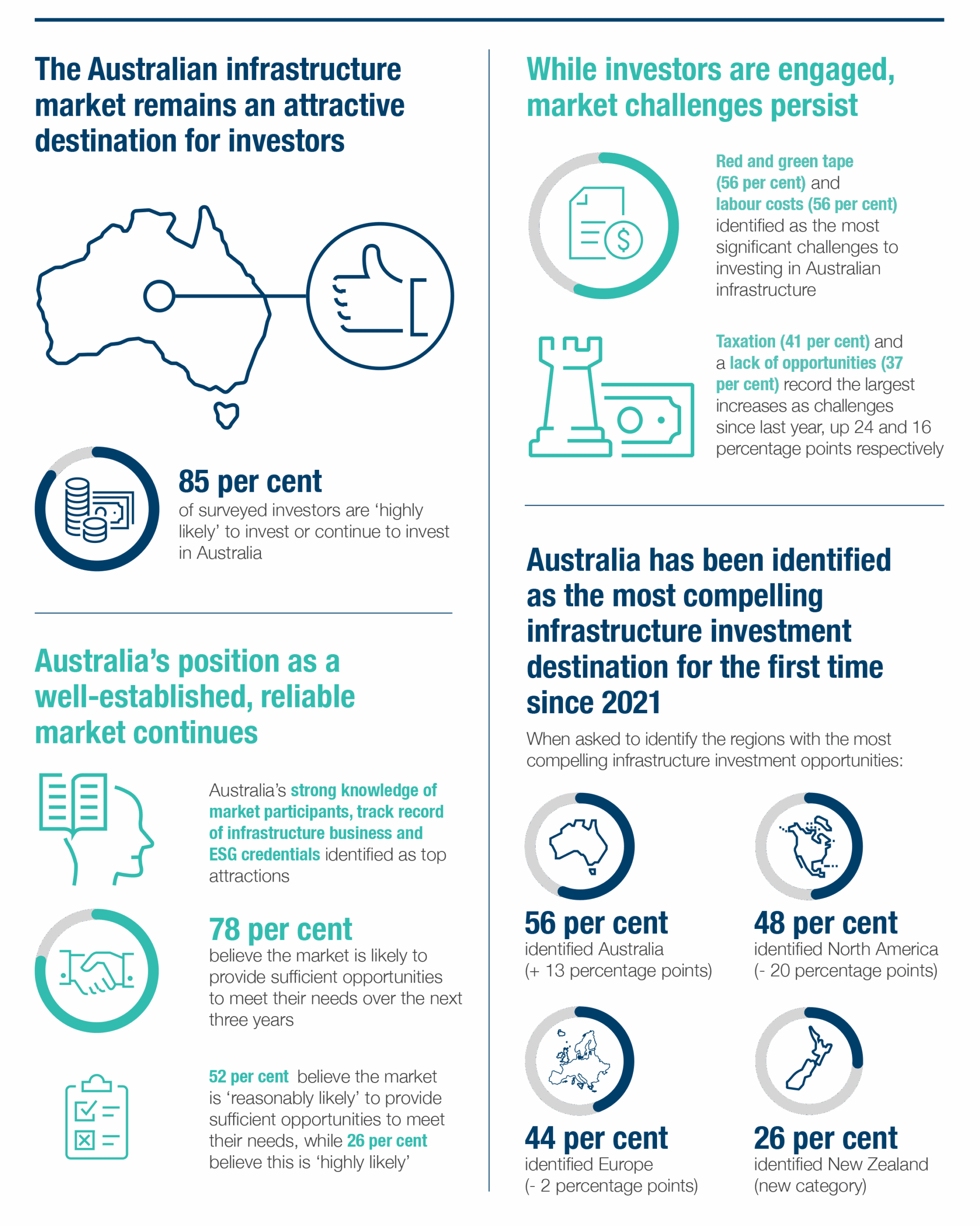
  • 85 per cent of those surveyed are highly likely to invest in Australian infrastructure over the next three years.
  • Overall confidence in the likelihood of the market providing sufficient opportunities to meet respondents’ needs has strengthened, with 78 per cent expecting the market will likely meet their needs over the next three years, up 10 percentage points from 2024 and 20 points from 2023.
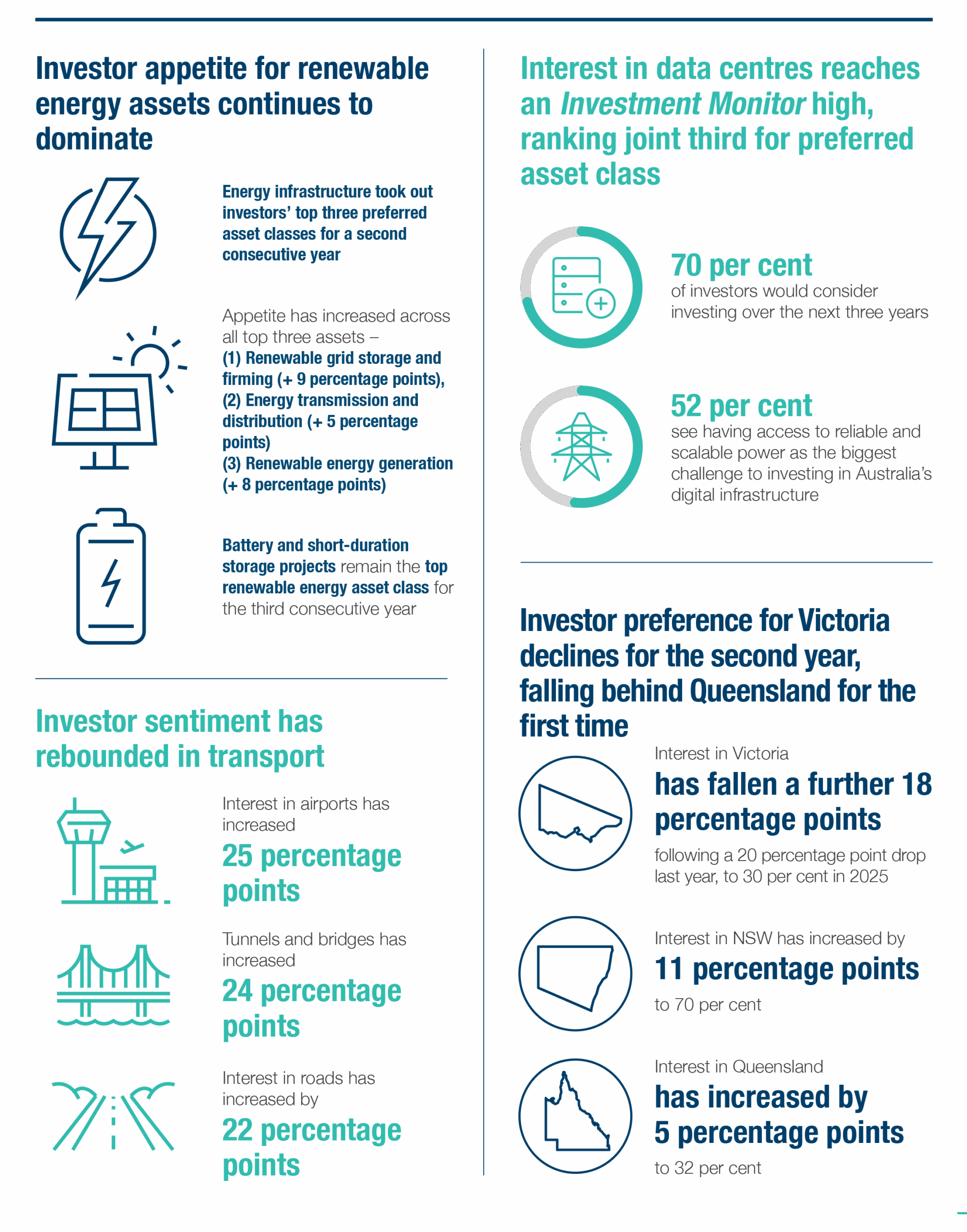
  • Energy assets again dominate investor preferences, with grid storage and firming ranked highest (81 per cent), followed by transmission and distribution (74 per cent) and renewable generation (70 per cent).
  • Data centres have entered the top tier of assets, ranking joint third (70 per cent) alongside renewable generation as investors increasingly view them as core infrastructure.
  • Investor appetite for transport infrastructure has rebounded, with interest in airports up 25 percentage points, tunnels and bridges up 24 points, roads up 22 points and precincts and intermodal terminals up 21 points.
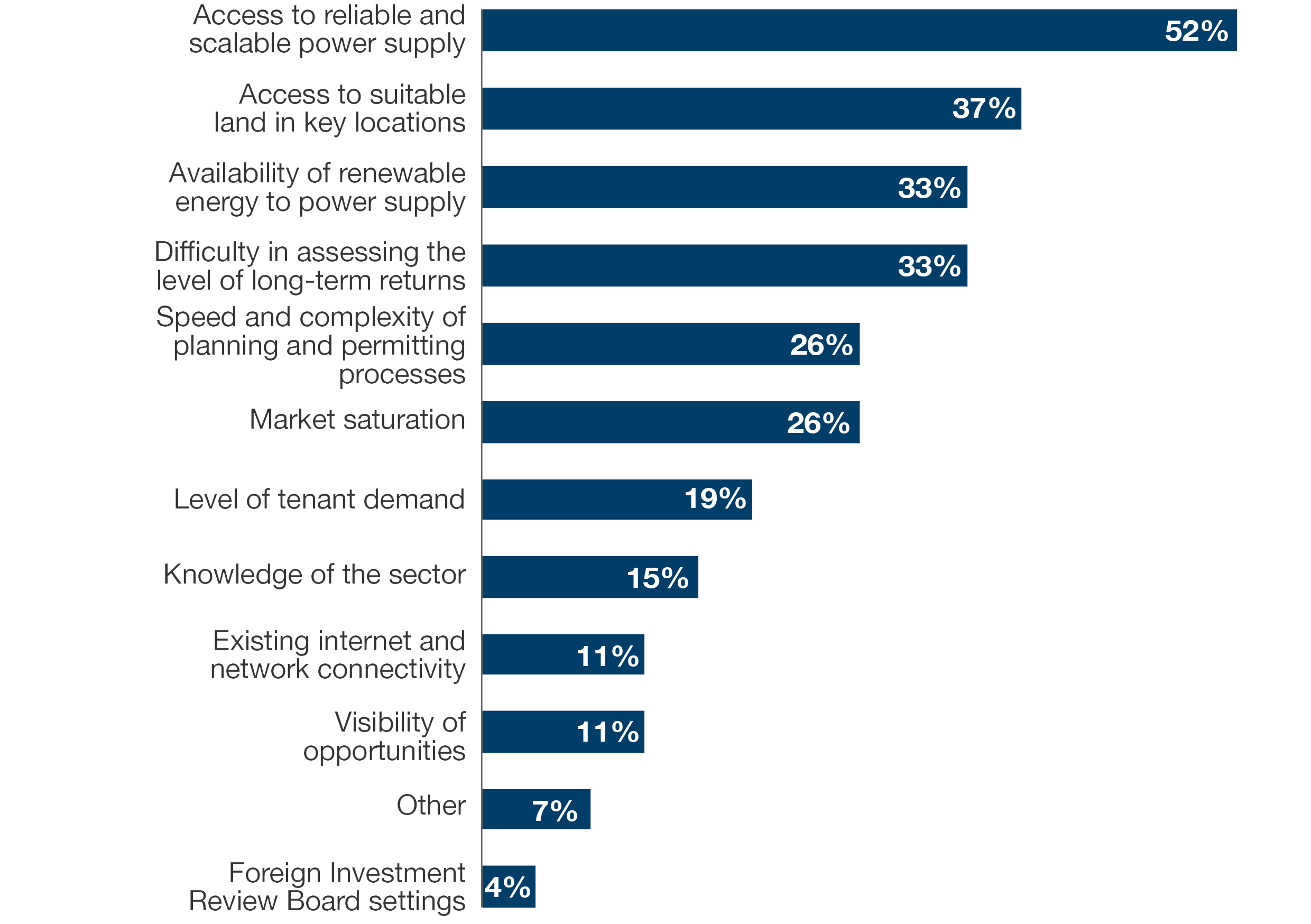
  • Access to reliable and scalable power supply (52 per cent) and access to suitable land (37 per cent) identified as the biggest challenges to investment in digital infrastructure including data centres.
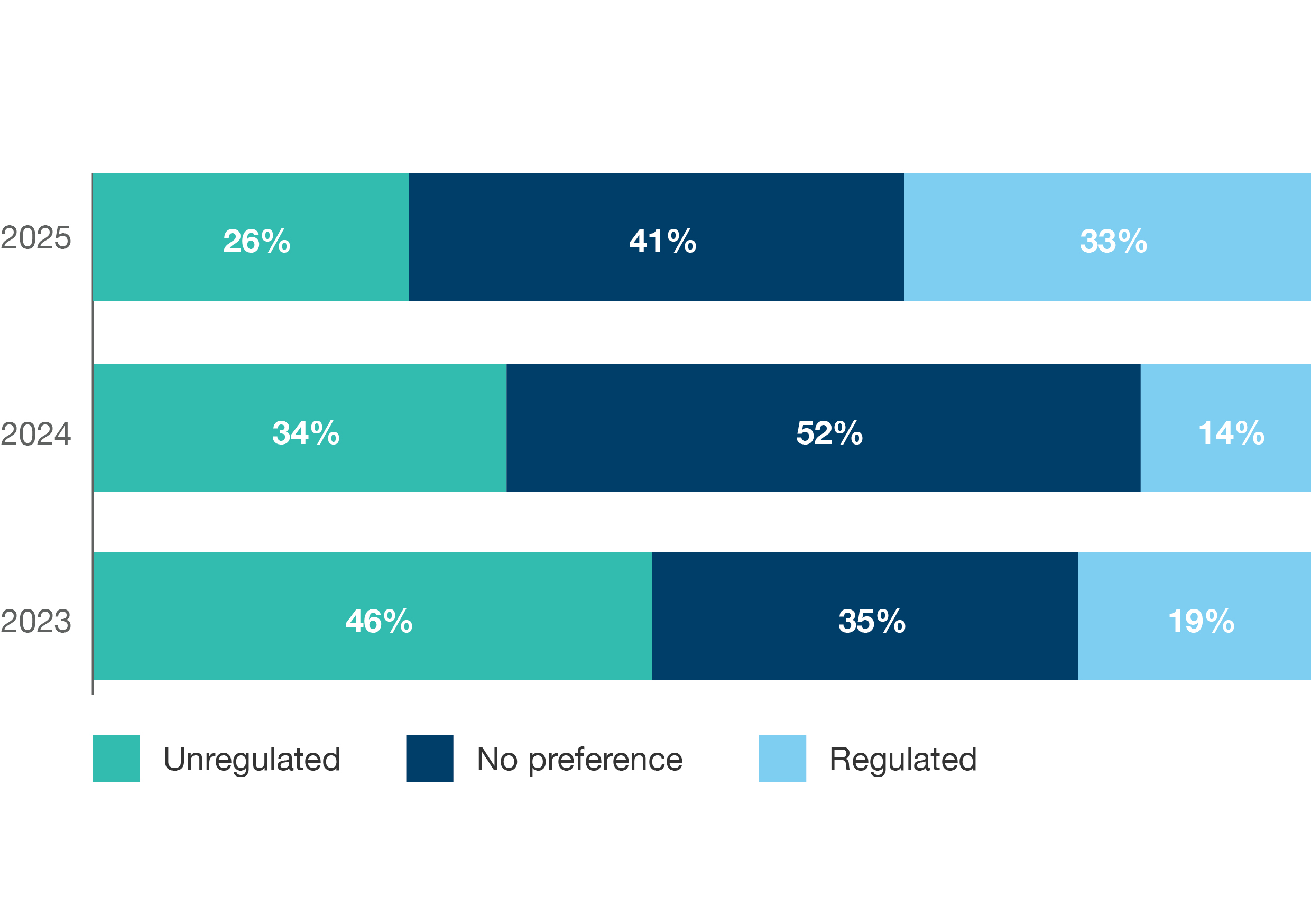
  • Preference for regulated assets (33 per cent) has overtaken unregulated (26 per cent) for only the secondtime in the last decade.

Australia’s standing as an attractive investment destination continues

The Australian infrastructure market continues to attract strong investor interest, with 85 per cent of survey respondents ‘highly likely’ to invest over the next three years. Another 11 per cent are considering investment, while just four per cent remain unsure (Figure 1).

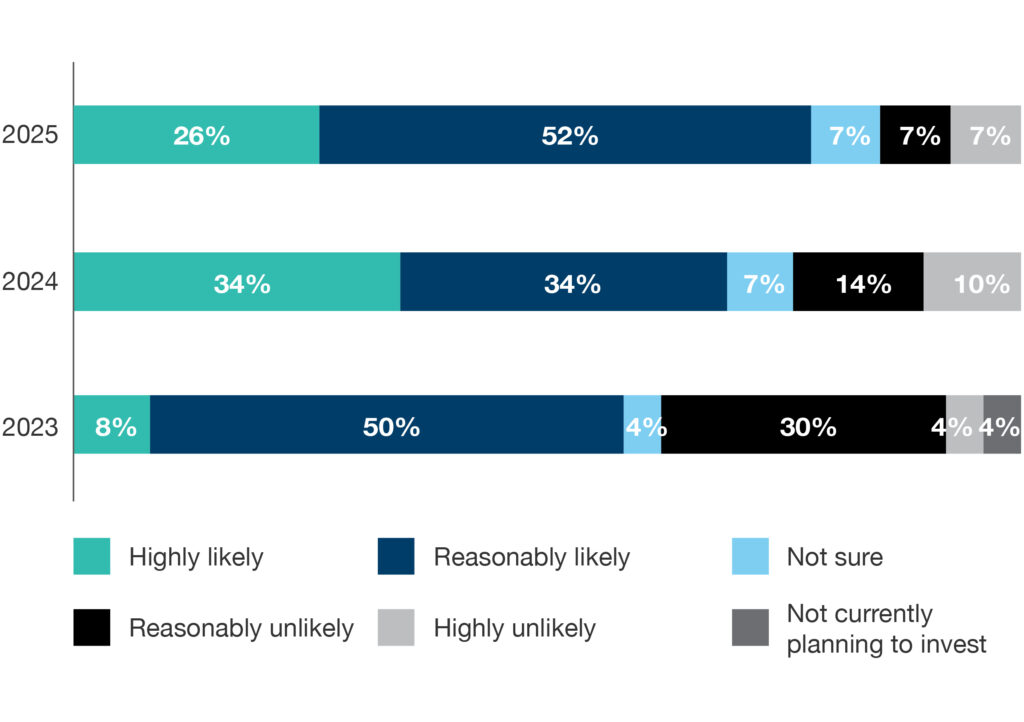
Overall confidence in the likelihood of the market providing sufficient opportunities has strengthened. 78 per cent of respondents anticipate the market is likely to meet their needs over the next three years – a rise of 10 percentage points since last year and 20 percentage points since 2023 (Figure 2). Over half of respondents rate opportunities as ‘reasonably likely’ to meet demand, while a smaller proportion of 26 per cent rate this as ‘highly likely’. Interviewees noted that while the outlook on long-term prospects remain positive, there’s a perception that the current pipeline lacks depth.

“Governments are leaving a lot of capital on the table at the moment. It needs scale, it needs opportunity, and it needs an attractive risk-return proposition.” – Global Investment Adviser

“We’re not expecting a lot of privatisations in the first five years. But government balance sheets will likely necessitate that over time.” – Investment Bank

Figure 1: Likelihood of investing in Australian infrastructure
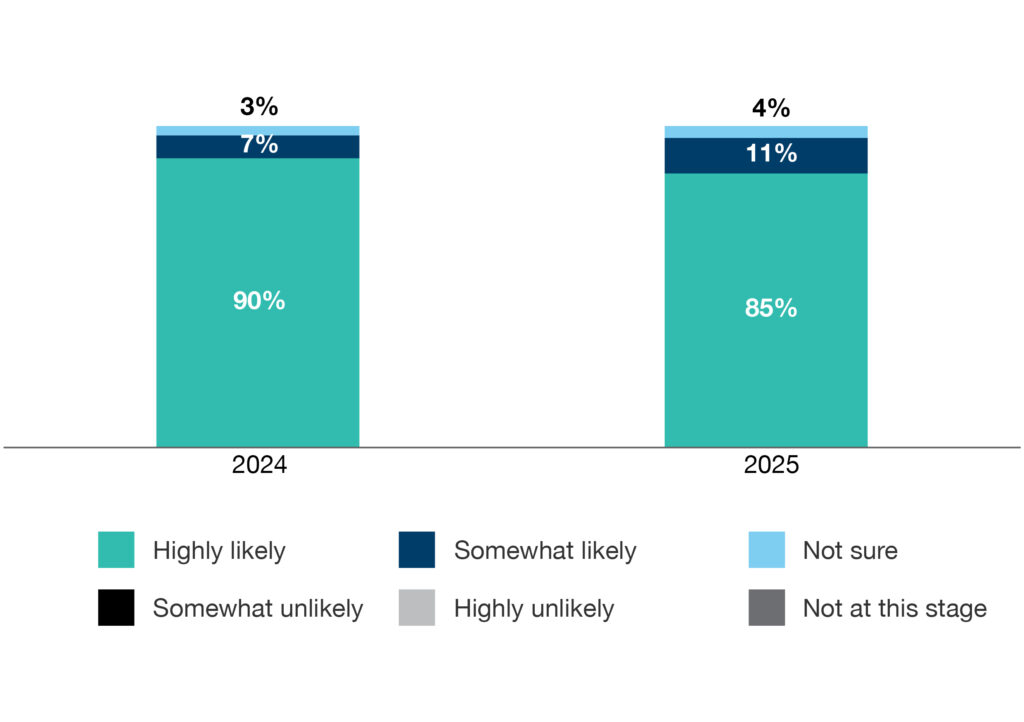


Figure 2: Likelihood that Australia will provide sufficient investment opportunities to meet investors’ needs over next three years


Shift in the dynamics for energy investments

For the third consecutive year, energy infrastructure assets occupy the top three positions in investor preferences (Figure 3). Renewable grid storage and firming has ranked first for the second year in a row, favoured by 81 per cent of respondents. This represents the highest level of support for any asset class since road infrastructure held this position in 2018. Transmission and distribution follow, recording its strongest sentiment to date at 74 per cent, while renewable energy generation was close behind at 70 per cent.

“The big-dollar task is energy transition and storage. They are going to require an enormous amount of capital.” – Infrastructure Investor and Developer

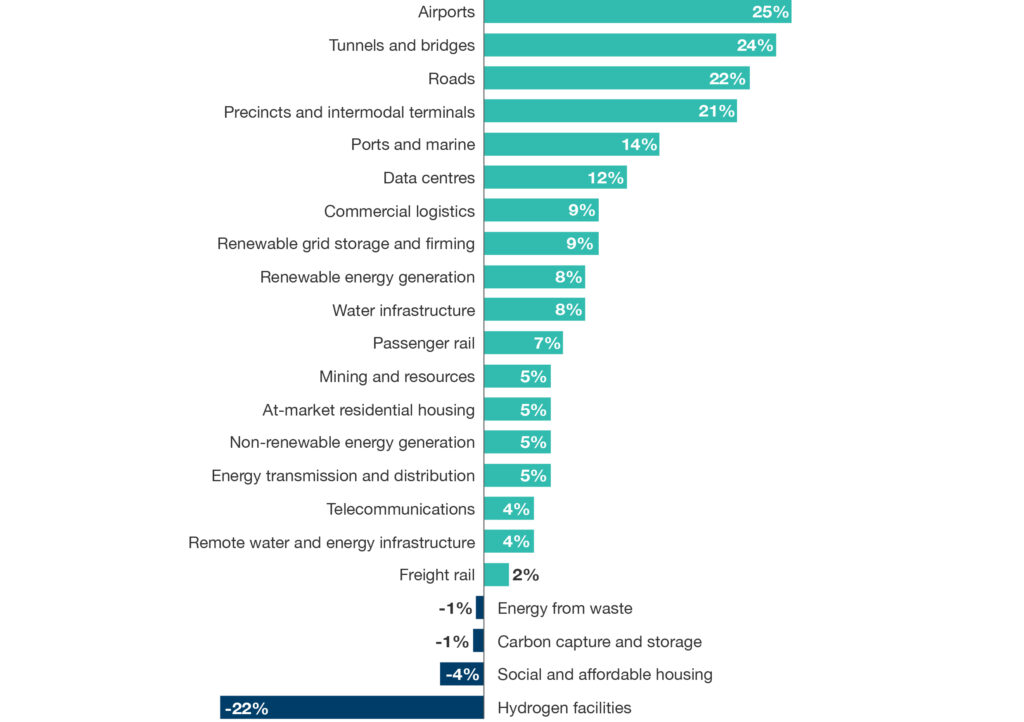
In contrast, appetite for hydrogen facilities has seen the sharpest decline across all assets – down 22 percentage points on last year to 33 per cent (Figures 3 and 4). This reflects the ongoing difficulties in establishing a market for hydrogen in Australia. Of the thirteen hydrogen generation projects added to the Australia and New Zealand Infrastructure Pipeline database1 since 2021, just eight remain active – with only the $15 billion Murchison Green Hydrogen Facility in Western Australia having progressed beyond early stage planning. Interviewees highlighted Australia’s comparatively high construction costs as a deterrent to investment in emerging technologies like hydrogen.


1The Australia and New Zealand Infrastructure Pipeline (ANZIP) database provides a forward view of major infrastructure projects and contracts across the two countries. ANZIP tracks infrastructure opportunities with a capital value exceeding A$300 million from early stages to completion, providing updates and objective analysis each step of the way.

“The cost of building things here is a real impediment. It’s strong in the nascent energy sector. Nothing that’s novel, like hydrogen, is moving forward. It’s more expensive than other countries.” – Investment Bank

Figure 3: Preferred Australian asset types to invest in
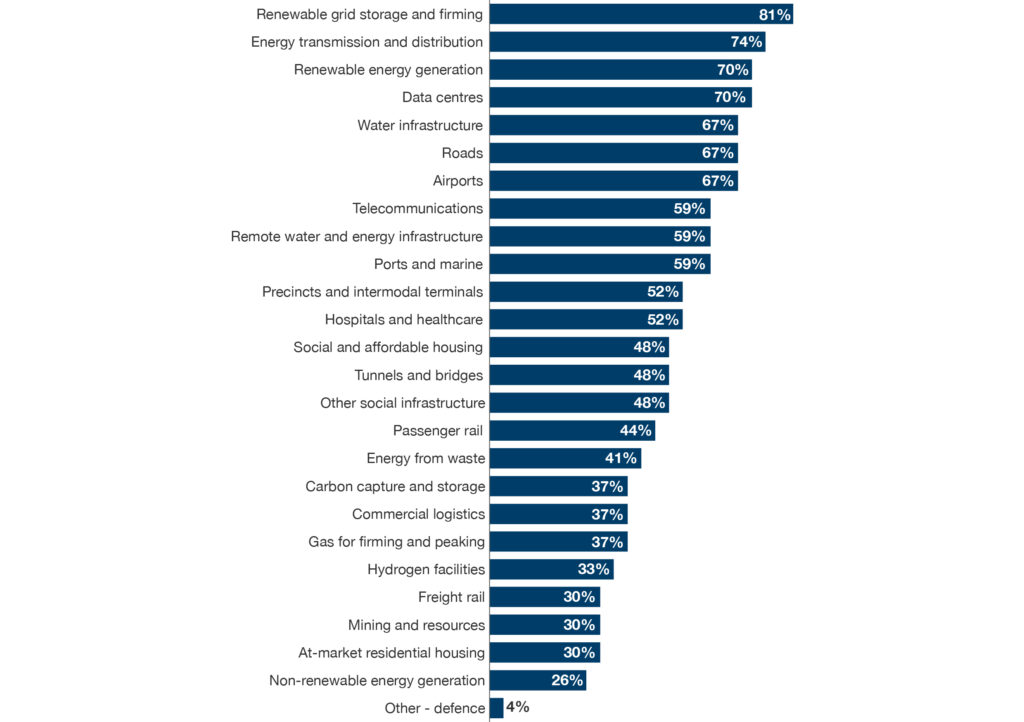


Figure 4: Preferred Australian asset types to invest in, percentage point difference compared to 2024


Batteries lead and onshore wind remains steady, while confidence falls for offshore

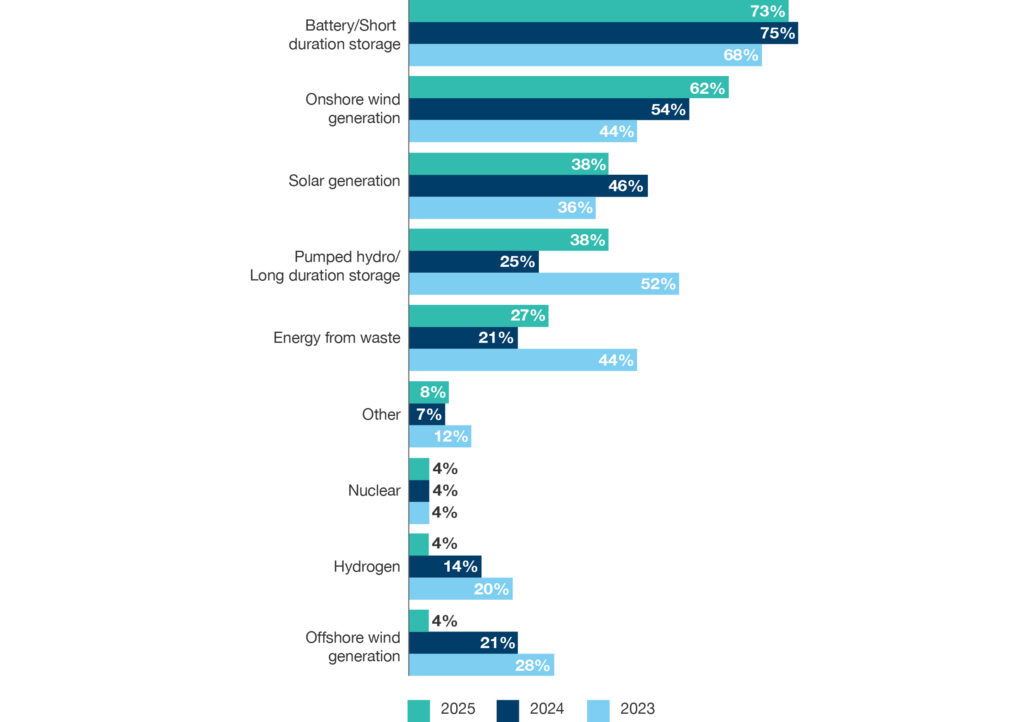
Battery and short-duration storage projects remain the top renewable energy asset class for the third consecutive year, attracting interest from 73 per cent of investors (Figure 5). With shorter construction times and easier passage through planning systems, batteries typically carry lower development risks and can generate returns more quickly. With recent improvements in cost profiles,2 favourable rates of progress through to delivery3 and the increasing role of batteries in managing congestion and curtailment, this asset remains an attractive proposition for investors.

Onshore wind generation has held steady in second place at 62 per cent. ANZIP currently tracks 94 wind projects, valued at $139 billion, underscoring the scale of proposals entering the pipeline. However, these projects face several hurdles to delivery including rising input costs, planning obstacles, supply chain constraints and social licence complexities.

Interest in pumped hydro and long-duration storage has increased 13 percentage points, moving from fourth to joint third place alongside solar, interest for which fell eight percentage points. Interest in offshore wind has dropped 17 percentage points, after several notable proponents withdrew from major projects this year amid ongoing delivery challenges.


2 The CSIRO’s 2024-25 GenCost Report, released in July, reported battery costs fell 20 per cent in FY2024-25.
3 Forty per cent of the energy projects on ANZIP which entered main works construction between January and July 2025 were batteries.

Interest in pumped hydro and long-duration storage has increased 13 percentage points, moving from fourth to joint third place alongside solar, interest for which fell eight percentage points. Interest in offshore wind has dropped 17 percentage points, after several notable proponents withdrew from major projects this year amid ongoing delivery challenges.

Figure 5: Which renewable energy infrastructure asset classes are attractive to investors

Interest in data centres reaches Investment Monitor high

Having consistently ranked among the top five attractive asset classes over the past three years, data centres reached their highest Investment Monitor ranking this year, claiming joint third place alongside renewable energy generation. 70 per cent of investors are interested in investing (Figure 3), up 12 percentage points on last year.

Editorial,Use,Only.,Image,Of,Battery,Energy,Storage,System,(bess)

Insight: The rise of data centres

Interest in investing in data centres is strong, with investors comparing it to the recent race to invest in renewables

Strong growth projections are embedding data centres firmly within Australia’s infrastructure investment landscape. Interviewees are attracted to opportunities in the domestic market, pointing to strong demand, including from digitalisation across the economy, and the rapid rise of Artificial Intelligence (AI) as key drivers.


“Global funds who can spend their money anywhere are coming into Australia.”
Global Investment Adviser

“Digitalisation is driving everything in the economy right now and is likely to for years to come.”
Investment Bank

“Data centres have and will continue to have huge opportunities over the short-to-medium term at least, given the growth in data in general and then AI is a huge amount of icing on the cake.”
Superannuation Fund


Many interviewees noted data centres are increasingly being treated as core infrastructure assets within infrastructure mandates. Several noted that while data centres are not yet underpinned by the long-term contracts typical of traditional core assets, they are now priced and transacted more like infrastructure than real estate.


“Data centres are absolutely in mandate for almost all infrastructure investors today. The bulk of the capital pools are in infrastructure funds.”
Global Investment Adviser

“They’re in the ever-increasing realm of core plus and moving rapidly towards core. They’ve moved to the mainstream, and the pricing has moved in. They’re not Public Private Partnership-like yet but they’re pricing more like infrastructure than say real estate.”
Investment Bank


Respondents see clear opportunities in data centres but emphasise that prudent investment and risk management will be essential to avoid undue exposure. Interviewees noted that global capital is increasingly flowing into Australia, attracted by market stability, but cautioned that enthusiasm may be running ahead of fundamentals.


“There is a lot of scrutiny that people are getting a bit too giddy on [data centres] due to FOMO [fear of missing out]. It’s very quickly going to exhaust the capability of the banking market from a liquidity point of view.”
Institutional Investor

“The demand profile today is the same as the demand profile of renewables a few years back. My question is whether the risk factors are yet priced in.”
Investment Bank

“It doesn’t matter what number you look at, the growth projections around data consumption are astronomical and people are able to develop viable business cases about why it is sustainable and able to develop sufficient returns. The caution on it is that some of the commercialisation of the AI business cases may not proof up.”
Institutional Investor


Access to reliable power and suitable land identified as key challenges to delivery

Investors identify the two greatest barriers to investing in Australia’s digital infrastructure as access to reliable and scalable power (52 per cent) and access to suitable land in key locations (37 per cent) (Figure 6). Interviewees noted that delays in the energy transition are adding to uncertainty over medium-term network reliability to accommodate demand – though flagged these reliability challenges are not exclusive to data centres.


“The ability to get power to locations is challenging at the moment. Capacity may exist on paper but getting it into the networks and to users will be challenging for the next three to five years.”
Institutional Investor

“Given the energy transition is stalling, you do worry about the reliability and capacity of the electricity network in the decade ahead – but that could apply to a lot of assets.”
Institutional Investor


Figure 6: Challenges to investing in Australia’s digital infrastructure


Despite the rapid growth of the data centre pipeline and mounting pressures on power, planning and permitting processes have not emerged as a major barrier to investment. Interviewees pointed to favourable regulatory conditions for data centres compared with renewables. Currently, planning and approval pathways vary across jurisdictions. Recognising the opportunity data centres present, some jurisdictions have sought to address barriers in approval processes, with examples including the New South Wales Government’s recent establishment of its Investment Delivery Authority (IDA). The IDA was announced in the 2025-26 State Budget, and seeks to accelerate approvals for eligible domestic and international projects across government priority areas including data centres and renewable energy.


“You need land, power and water – and land with a permit. In various jurisdictions around the world, the problematic one varies. But in Australia, if you’ve got the land with a permit, you generally have the other two.”
Investment Bank

“Data centres arguably have a smoother path ahead [compared to renewables] as they’re less exposed to regulatory risk – or at least at this stage.”
Institutional Investor


Underpinned by robust appetite and clear demand, data centres are consolidating themselves as a key feature of the infrastructure investment landscape. Through careful resource planning and consolidating streamlined approvals processes, Australia is on the way to positioning itself to capitalise on the opportunities available in this rapidly growing sector.

Data center room with servers, computers and storage systems

Appetite for transport rebounds, but expectations of greenfield opportunities are constrained

Investor appetite for transport infrastructure has rebounded strongly following several years of subdued sentiment. Roads and airports lead as the most attractive transport assets, each drawing 67 per cent of investor interest – increasing 22 and 25 percentage points year-on-year respectively (Figures 3 and 4). Interest has also improved for precincts and intermodal terminals (52 per cent, up 21 percentage points) and for tunnels and bridges (48 per cent, up 24 percentage points). However, while there is renewed appetite for investment, interviewees remain cautious about the availability of near-term greenfield opportunities to match demand, noting current activity is largely concentrated in the secondary market and in brownfield expansions.

“We’ll hold the right assets such as ports and airports. The reality is there are less of them to access. They’ve been privatised and held by long-term owners, so the market is dry.”
Superannuation Fund

“Some of the existing airports are looking at runway expansion, so it’s largely brownfield expansion.”
Investment Bank

“We’re very much in a secondary market at the moment. The greenfield market has substantially shrunk.”
Investment Bank

Nonetheless, respondents are optimistic about longterm greenfield opportunities, noting Australia’s forecast population growth will necessitate new transport infrastructure.

“We’ll hold the right assets such as ports and airports. The reality is there are less of them to access. They’ve been privatised and held by long-term owners, so the market is dry.”
Superannuation Fund

“Some of the existing airports are looking at runway expansion, so it’s largely brownfield expansion.”
Investment Bank

“We’re very much in a secondary market at the moment. The greenfield market has substantially shrunk.”
Investment Bank

Water retains investor interest, but opportunities remain elusive

Water has maintained steady investor interest over the past six years, ranking joint fourth in 2025 with 67 per cent of survey respondents signalling investment appetite. Nonetheless, interviewees consistently pointed to the lack of investable opportunities. While respondents see potential in last-mile water infrastructure and related waste services, the current market has produced little to no deal flow.

Looking ahead, respondents consider population growth and water resilience requirements may eventually catalyse investment opportunities – particularly in desalination, but for now the gap between investor appetite and actual opportunity remains stark.

“I think it’s more hope than actual reality. The desire to invest in last-mile water infrastructure is strong, as well as waste services around water infrastructure. But there has been no real opportunity.”
Investment Bank

“I’d shake my head at this, given there are no opportunities. There just hasn’t been the deal flow. The only real opportunities have been in large-scale Public Private Partnership desalination [plant] opportunities. If our population continues to grow it’s too hard to build new dams so we will need desalination, but that will only come when we have periods of extended drought.”
Global Investor

Social infrastructure maintains moderate appeal, but housing policy is yet to unlock scale

Investor interest in social infrastructure has remained relatively flat. This year, 52 per cent of investors expressed interest in hospitals and healthcare, 48 per cent in social and affordable housing, and 48 per cent in other social infrastructure such as education, stadiums, and justice facilities (Figure 3).

With survey respondents reporting moderate, stable appetite for social and affordable housing, interviewees noted interest persists given ambitious national housing targets. However, they stressed that sufficient scale and volume of investable opportunities are yet to emerge, with some suggesting government support will be critical in shaping viable return and risk profiles.

“I think it’s more hope than actual reality. The desire to invest in last-mile water infrastructure is strong, as well as waste services around water infrastructure. But there has been no real opportunity.”
Investment Bank

“I’d shake my head at this, given there are no opportunities. There just hasn’t been the deal flow. The only real opportunities have been in large-scale Public Private Partnership desalination [plant] opportunities. If our population continues to grow it’s too hard to build new dams so we will need desalination, but that will only come when we have periods of extended drought.”
Global Investor

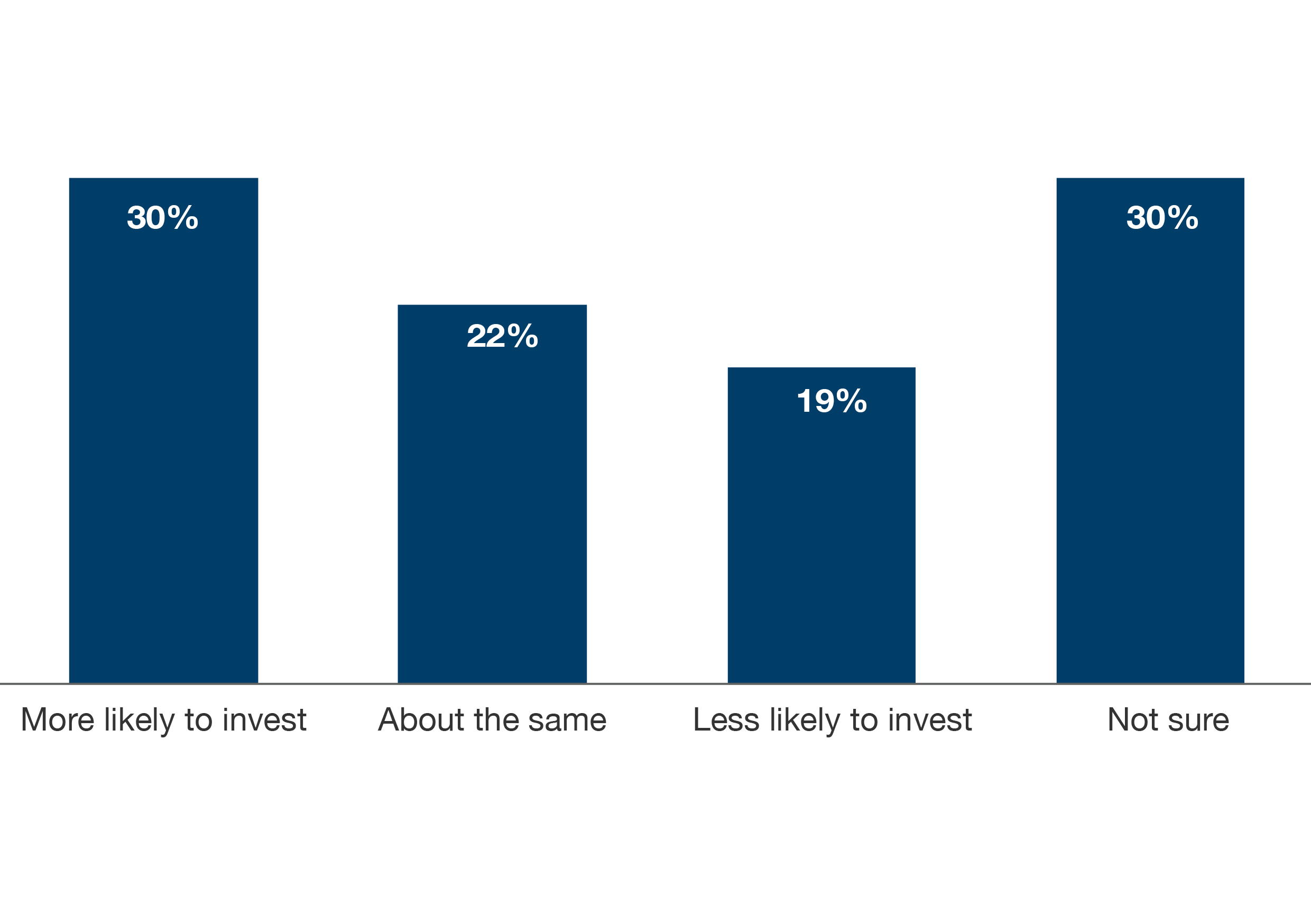
When considering government interventions in the social housing market, 30 per cent of investors said interventions made them more willing to invest, while 19 per cent are less willing and 22 per cent reported no change (Figure 7).


Figure 7: Impact of government interventions in the social housing market on investors’ likelihood to invest

With private capital’s role in housing rising on governments’ agendas, highlighted by the Federal Government’s recent move to consider reforms enabling greater superannuation investment in housing supply, there is clear opportunity to harness private finance and expertise in this space at scale.

In other social infrastructure, interest in hospitals and healthcare remains comparable to previous years with 52 per cent of respondents expressing interest. Interviewees reflected on the New South Wales Government’s legislation prohibiting Public Private Partnerships (PPPs) for hospitals providing emergency, surgical and inpatient services. They noted the vast majority of Australian health PPPs do not involve the private delivery of clinical services, but rather focus on operations, and cautioned that the decision represented a loss of nuance in distinguishing between these roles.

“It’s very unfortunate that it’s been politicised. Those poor outcomes also happen in public hospitals and need attention, but broadening it out to ban private hospitals full stop is problematic. Governments would be better thinking through whether they put operations into the PPP model with hospitals.”
Infrastructure Investor and Developer

“Most PPPs don’t have the clinical services done by the private sector; rather the focus is on operations. New South Wales has lost that nuance.”
Infrastructure Investor and Developer

Desalination,Plant,,Victoria,,Australia,May,14,2019.,Climate,Change,Driven

Preference for regulated assets overtakes unregulated for first time since COVID recovery

This year’s survey shows a marked shift in investor sentiment. Preference for economic revenue regulated assets has risen by 19 percentage points to 33 per cent, overtaking unregulated assets at 26 per cent (Figure 8). This reversal has only been seen once in the past decade of the Investment Monitor – in 2022 during the COVID-19 recovery period.

Interviewees offered mixed views on this shift. Some acknowledged appetite for regulated assets with opportunity to deploy capital at scale but flagged regulatory uncertainty and the related risk profile as an enduring concern. Most opted for a balanced approach with exposure to both regulated and unregulated assets to manage portfolio risk.

“There is still an appetite for regulated utilities, but we’re very cautious about the nature of the regulator. The honest answer is you need both across a portfolio, because there is a fair degree of risk in the regulated space given regulators have proven to be surprising to us at times.”
Institutional Investor

“We’re practical. We’re keen for exposure to both, but when governments are likely to shift the goal posts in response to consumer and cost-of-living pressures, that’s the piece that makes us nervous about regulated assets.”
Institutional Investor

“It depends. You have some clients seeking to drive a greater yield, so they’re looking at unregulated assets. The stable annuity has some appeal for others.”
Institutional Investor

Figure 8: Preferred regulatory model for investments
Footscray,,Victoria,,Australia,,02 07 2023.,Tower,Cranes,At,The,New,Footscray

The Australian Infrastructure Market and Emerging Conditions


KEY FINDINGS

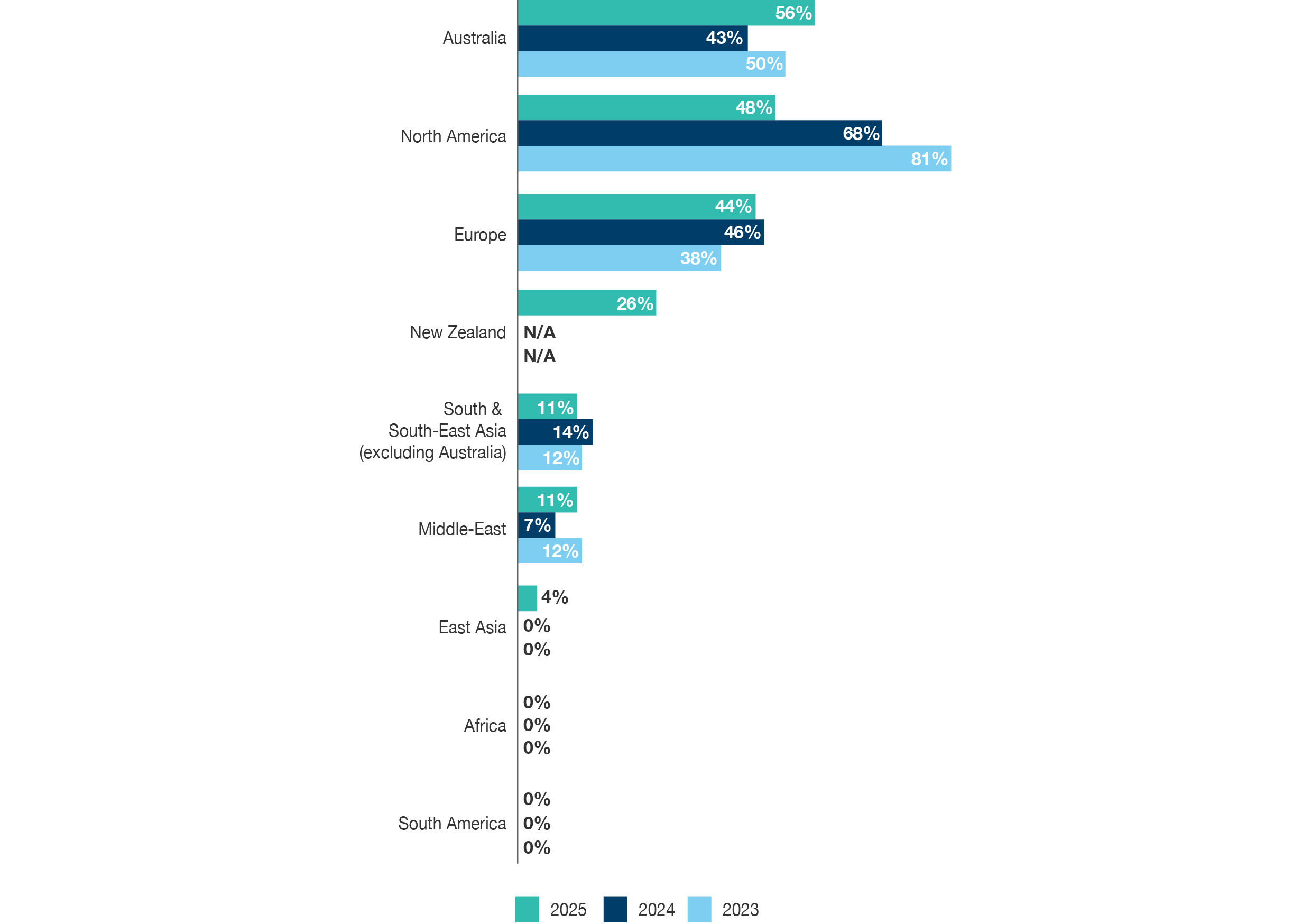
  • Australia has overtaken North America and Europe this year as the most attractive region for investment, selected by 56 per cent of respondents.
  • A strong knowledge of market participants (96 per cent), track record of infrastructure business (84 per cent), and ESG credentials (76 per cent) identified as Australia’s top attractions.
  • Regulatory and policy frameworks (63 per cent) and planning approvals (59 per cent) are creating unease for investors, particularly in energy.
  • 41 per cent of survey participants believe that taxation is the most significant challenge to investing in Australian infrastructure.
  • New South Wales has strengthened as a destination for capital, while sentiment towards Victoria has softened.

Australia tops regional rankings for providing the most compelling opportunities, partly attributed to increasing caution towards North America

Australia has been identified as the most attractive infrastructure investment destination for the first time since 2021, overtaking North America which saw a substantial decline (Figure 9). 56 per cent of those surveyed identified Australia as providing compelling opportunities, reversing a downward trend in Australia’s relative attractiveness which began in 2022 and reached a record low in 2024 with 43 per cent of participants selecting Australia.


Figure 9: Regions with most compelling opportunities

Interviewees have identified Australia’s position as a stable investment destination, bolstered by its comparative political and economic stability, as underpinning its attractiveness. Nonetheless, interviewees have cautioned against complacency in the market – suggesting some of this shift in sentiment can partly be seen as a response to more volatile conditions elsewhere. Investors have noted that without an uplift in opportunities to meet demand, Australia will not capitalise on this interest in the market, leading investors to look for overseas opportunities.

“The macro-economic and geopolitical circumstances mean Australia is viewed as a safe place to invest.”
Institutional Investor

“Everyone offshore regards Australia as a good place to invest. The stable regulatory environment, relative political stability, our respect for rule of law – along with a long history of investment in infrastructure – makes Australia an attractive proposition for offshore capital.”
Global Investor

“I think the shift is more a function of the United States coming down than a deliberate decision to allocate more capital to Australia.”
Institutional Investor

“When you have an elongated period with the lack of sustained pipeline or deal flow, investors just drift away. You won’t see the resources invested in teams unless they have that visibility.”
Global Investment Adviser

Having occupied a favourable position in recent years, investor sentiment towards North America fell materially this year, decreasing by 20 percentage points to 48 per cent. Interviewees pointed to increasing caution underpinned by political and policy shifts including fluctuating tariff policies, regulatory and economic uncertainty, and the repeal of the Inflation Reduction Act (IRA).

This contrasts sharply with the optimism that was present in the last two editions of the Investment Monitor, with 81 per cent of participants identifying North America as having the most compelling investment opportunities in 2023, buoyed at the time by significant market incentives for renewable energy. While interviewees agree current policy conditions are impacting confidence, their perspectives are varied on the longer-term outlook. Some noted policy ramifications will continue to impact sectors including renewable energy while assets including ports and freight will be adversely affected by tariff policy. Nonetheless, others noted that overall, due to the scale of the market investors will not be deterred from investing indefinitely.

“A lot of global investors are sitting on their hands with investment in the United States given we’re in a period of maximum uncertainty. You’ve got to understand tariffs and their impacts, there are new taxes for foreign investors, shifting regulatory frameworks, the US dollar has fallen – it’s something new every day.”
Global Investment Adviser

“It’s likely to be a long-term issue for a couple of particular sectors. The withdrawal of IRA incentives will kill investment in renewables, and trade-exposed assets like ports or freight will suffer from tariff policy.”
Investment Bank

“Investment is on hold for now, but it’s too big a market to ignore long-term.”
Investment Bank

“I think it’s going to be an issue for a while. I do think the policy uncertainty is causing conniptions.”
Superannuation Fund

Investors are optimistic about New Zealand, but concerned about a lack of bipartisan support

New Zealand was introduced as a standalone market for the first time this year, ranking fourth most attractive with 26 per cent of respondents selecting it as a compelling destination (Figure 9). The New Zealand Government has recently signalled new opportunities for private finance including progressing two PPPs and exploring other avenues to harness private capital.

Interviewees have welcomed the revival of private capital opportunities. However, they stressed that political consensus and policy stability will be the key to sustaining investor confidence and realising the market’s potential.

“It needs to now be about the bipartisan support for PPPs. The risk is they get turned off if there’s a change of government. You don’t want to get trapped in an illiquid market or have invested two years of capital into a bid process which gets cancelled.”
Infrastructure Investor and Developer

“New Zealand has a lot of good ideas and opportunities but a lot of the infrastructure assets are owned at the council level. If the national government has the will and courage to do an asset recycling program like New South Wales did, it could open up opportunities for efficiency and consolidation.”
Institutional Investor

Historical strengths of the Australian market continue

With its global appeal bolstered, Australia’s position as a stable and secure investment destination continues. Respondents identified Australia’s strong knowledge of market participants and partners (96 per cent) and track record of infrastructure business (84 per cent) as the top two factors underpinning its attractiveness (Figure 10).

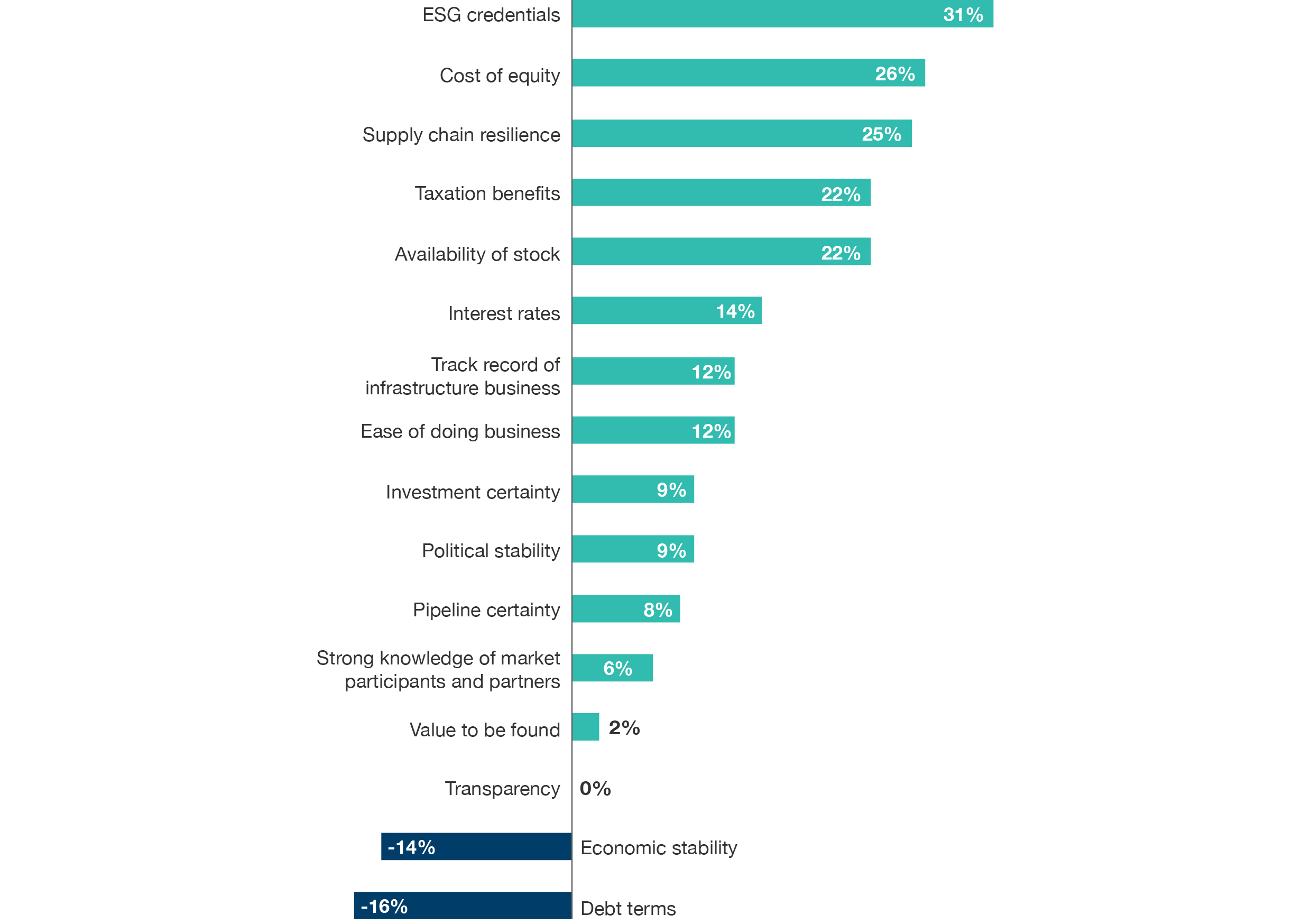
Confidence in economic stability has softened, falling from third to fourth position this year. Last year, 86 per cent of participants identified this as a factor supporting Australia’s appeal, compared to 72 per cent this year – a fall of 14 percentage points (Figure 11). However, interviewees have noted that Australia remains resilient compared to other markets, a setting they expect will continue in the near-term.

“On a relative basis, things are more stable here than other target geographies. We expect that to continue, so on a relative basis it looks attractive.”
Institutional Investor

Figure 10: What makes Australia attractive for infrastructure investment?
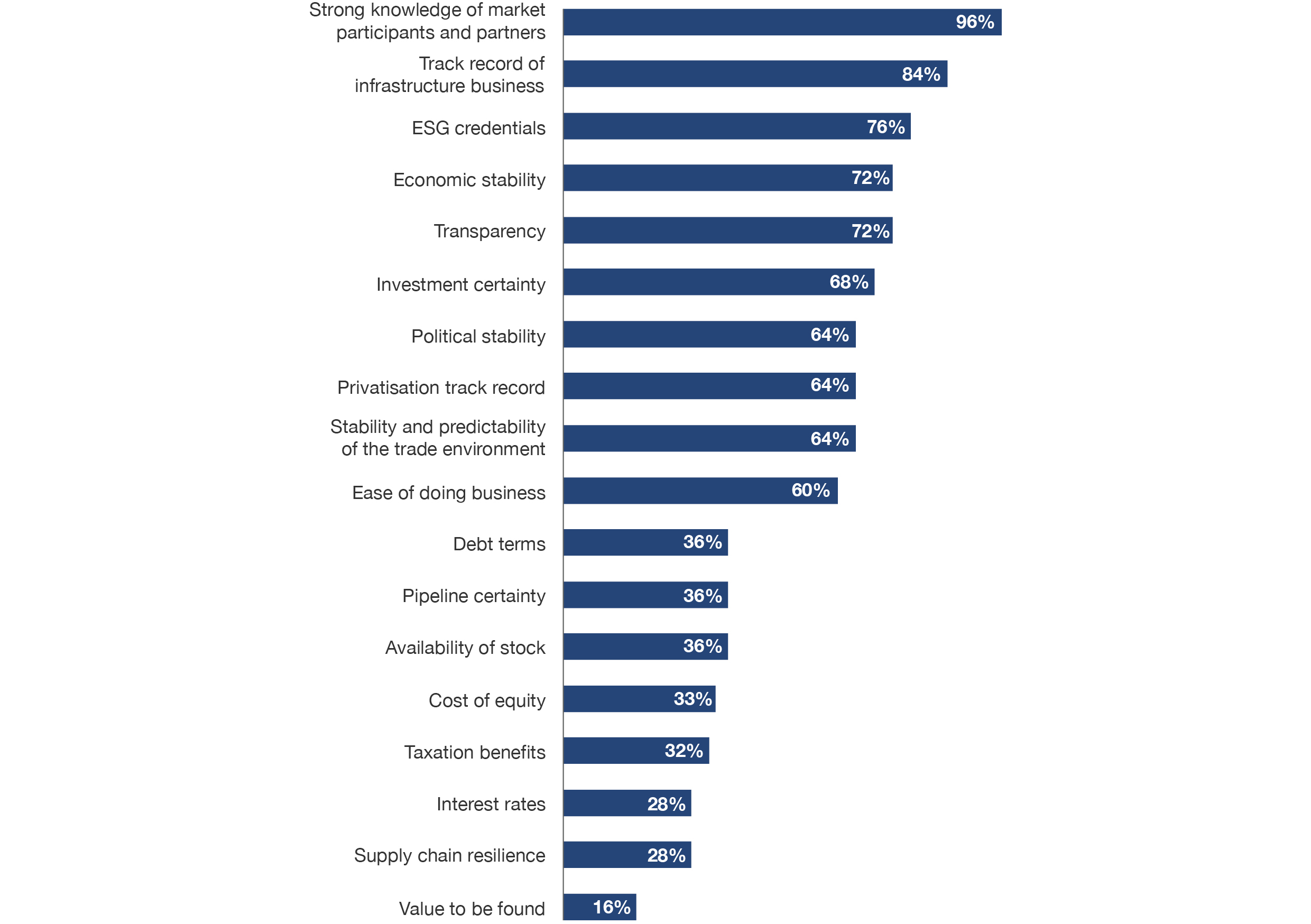

Figure 11: What makes Australia attractive for infrastructure investment, percentage point difference compared to 2024

Marked improvement recorded for Australia’s ESG credentials

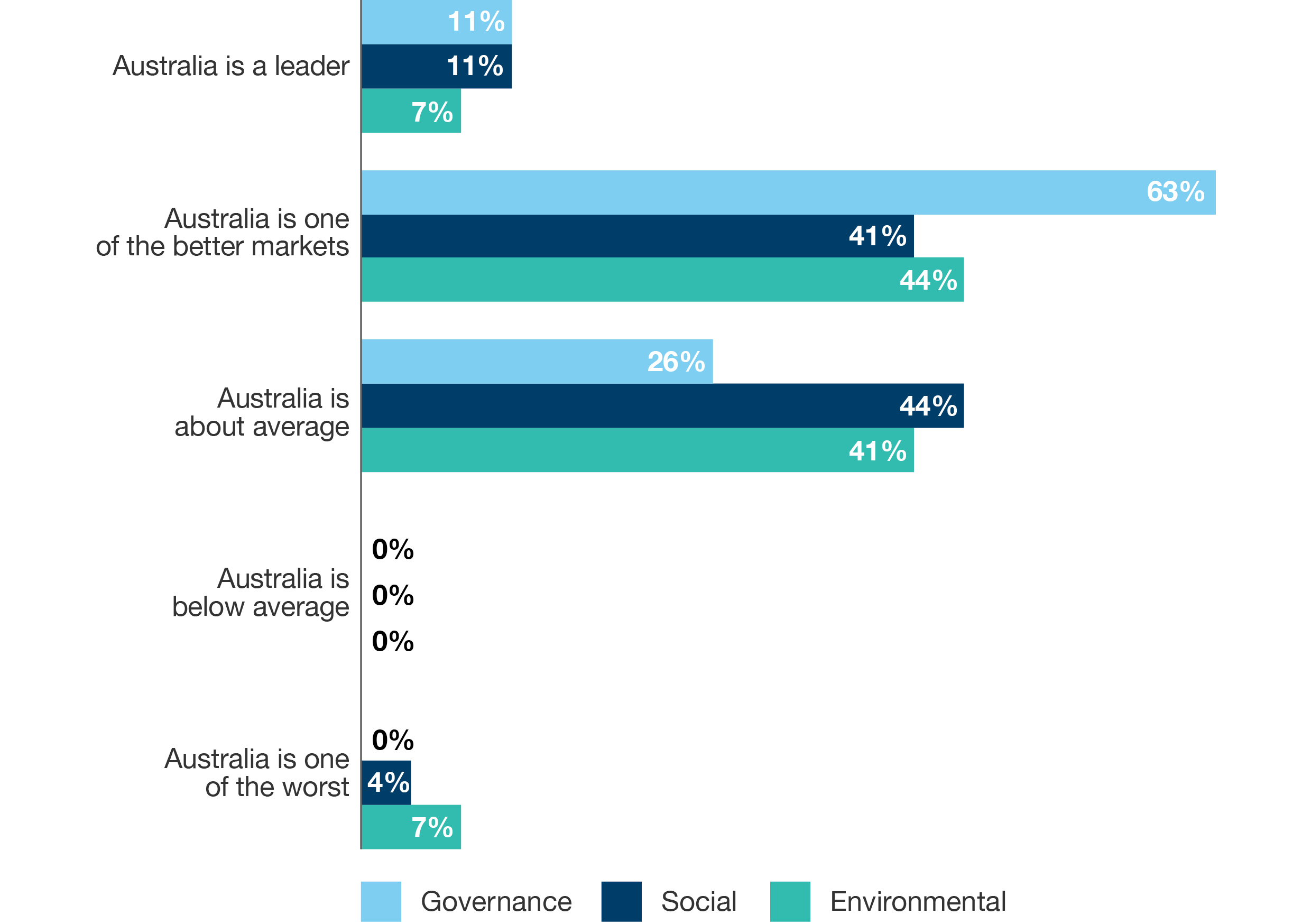
Australia’s ESG credentials have risen sharply, ranking as the third most compelling reason to invest in the market. 76 per cent of respondents selected ESG as a driver of Australia’s attractiveness (Figure 10), a 31-percentage point increase year-on-year. Perceptions of Australia’s performance across ESG pillars also improved, with 51 per cent of respondents identifying Australia as a leader in environmental performance, up 19 percentage points (Figure 12). Social and governance indicators also improved, each rising six percentage points year-on-year.


Figure 12: Australia’s performance in ESG elements

Interviewees pointed to the influence of superannuation funds as a driver of this shift, while others highlight a broader maturity in business strategy, with ESG increasingly seen as both a short-term opportunity and a driver of long-term resilience.

“I think our superannuation system – where it is almost a social system because of the strength of the industry funds and the way in which they are governed and act as principled investors – gives the super funds voice where they emphasise the ESG in everything they do.”
Global Investor

“The big super funds continue to have a driving influence as responsible investors. But I also think there is a noticeable maturing at the business level of the strategic value of getting these things right. You can grab opportunities in the short term and build resilience in the business long-term.”
Institutional Investor

However, several of those interviewed questioned Australia’s environmental ranking, considering the European market to be well ahead. Others attributed the rise of Australia’s environmental performance to momentum in the energy transition, though anticipated this may stagnate as governments look to firming infrastructure to meet near-term reliability gaps.

“I’m surprised we’re seen as leaders, given the Europeans are far ahead, particularly on environmental performance.”
Global Investment Adviser

“I think we do the G well, are getting there on the S, but we’re still well behind the Europeans on the environmental piece.”
Investment Bank

“There’s a much more pragmatic approach to the energy transition. Gas will be around longer than people hoped or expected for. The concept of an orderly transition has finally hit home. It’s going to take longer, and we’ll need to invest in carbon-exposed industries.”
Global Investment Adviser

Previously flagged market challenges persist, with new concerns emerging

Labour costs (56 per cent) and red and green tape (56 per cent) have emerged as the top challenges facing Australia’s infrastructure market, each cited by over half of survey respondents (Figure 13). These issues ranked first and third in 2024 and are becoming increasingly pressing as the energy transition moves into delivery.

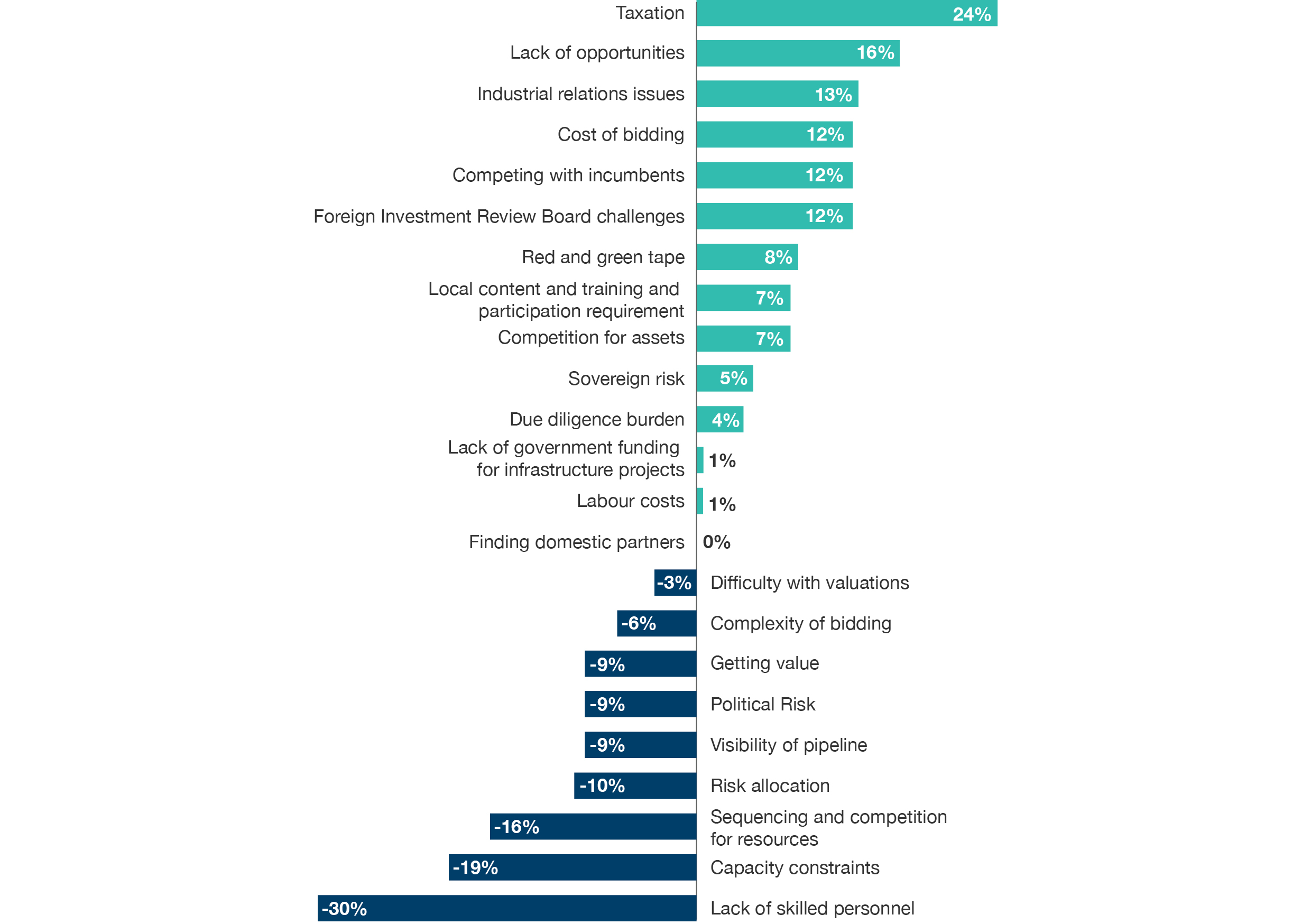
Industrial relations issues (41 per cent), competition for assets (41 per cent) and taxation challenges (41 per cent) follow behind. Lack of opportunities has also emerged as a core concern, increasing by 16 percentage points since 2024 to 37 per cent.


Figure 13: Most significant challenges to investing in Australian infrastructure
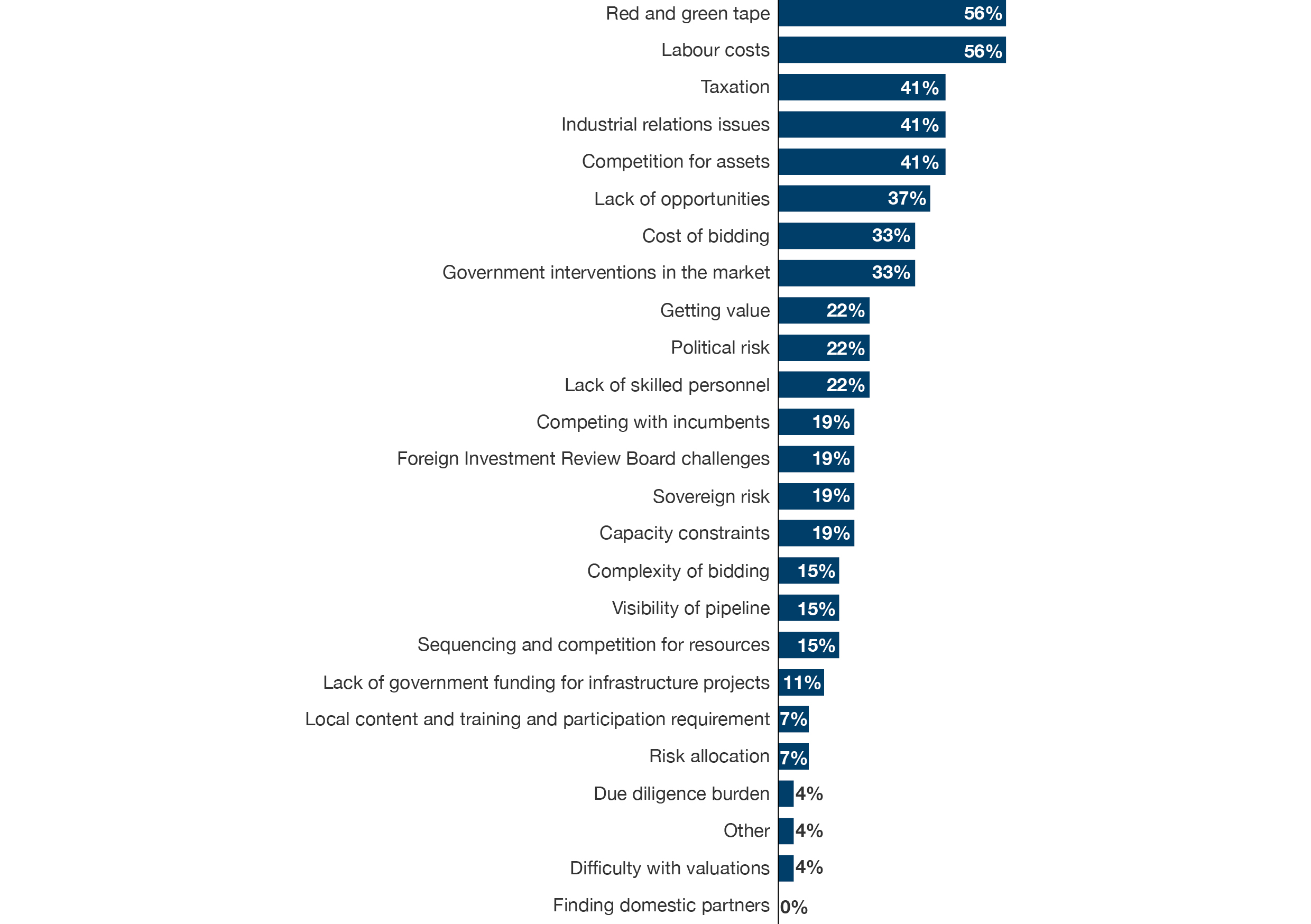

Figure 14: Most significant challenges to investing in Australian infrastructure, percentage point difference compared to 2024

Red and green tape has rapidly become one of the central impediments for investors

Red and green tape has emerged as one of the major impediments to investors deploying capital in Australia. In 2023, just 24 per cent of respondents identified it as a significant challenge, rising to 48 per cent in 2024 and up to 56 per cent this year.

The,Bald,Hills,Wind,Farm,Near,Walkerville,At,Dusk,In

Insight: Overcoming Hurdles in the Race to Transition

Policy and planning uncertainty constrains the transition

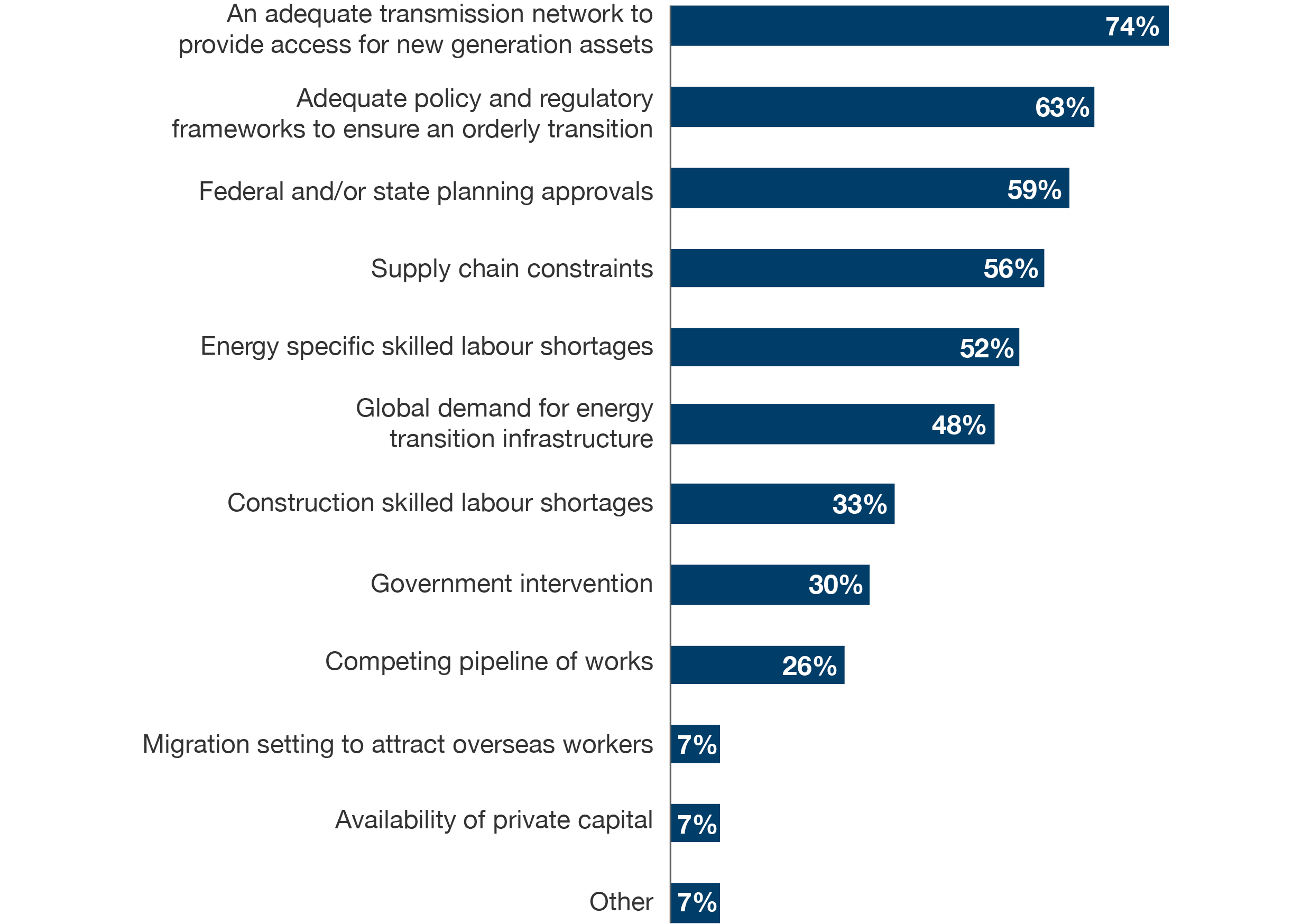
With the energy transition’s dominant position in the infrastructure investment landscape, investors are keen to invest but caution market challenges including red and green tape are holding them back. When considering the settings required to enable Australia’s energy transition, those surveyed have identified the adequacy of the transmission network as the number one challenge for the third year running (Figure 15). This is followed by policy and regulatory frameworks (63 per cent) and Federal and/or state planning approvals (59 per cent). Interviewees echoed challenges in the speed in which transmission projects are being delivered while stressing the importance of clear regulatory and policy frameworks – noting current processes are straining the efficient deployment of capital.


“The build out of transmission lines is going to be so far behind what everyone’s aspirations are for the transition to green energy. They are all going to be late to start and late to complete. Getting capacity online isn’t happening.”
Infrastructure Investor and Developer

“The energy transition is huge, where it is a choppy environment and the policy frameworks are still uncertain. They’re not as bad as they used to be, but we still have a reasonable degree of uncertainty as to the build out of networks to accommodate growth in renewables and build out of new generation.”
Institutional Investor

“We need to get a better balance and remove some of the red tape that allows us to deliver the projects that actually need to be delivered.”
Institutional Investor


The Federal Government recently committed to a 2035 target of reducing emissions by between 62 per cent and 70 per cent on 2005 levels. The Climate Change Authority’s targets advice4 illustrated that the majority of this would come through reducing electricity and energy emissions. Ensuring that policy settings support the decarbonisation of Australia’s grid and the roll-out of renewable energy should be a priority for all levels of government.


Figure 15: Challenges to delivering Australia’s energy transition

Planning and approval processes are leaving a lot to be desired

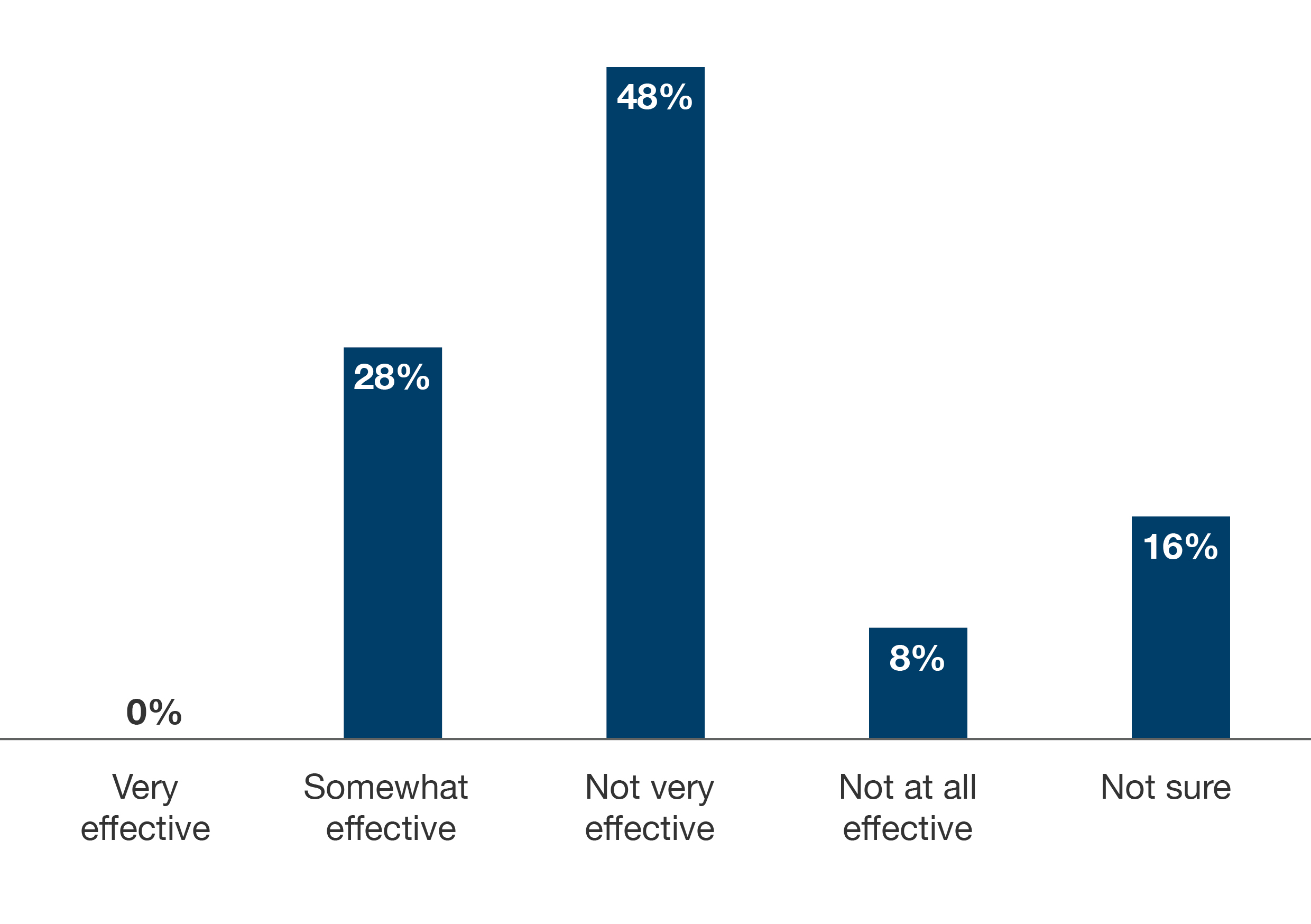
More than half of survey respondents judged both Federal and state approval processes as ineffective in supporting the energy transition (Figures 16 and 17). Just 25 per cent view Federal processes as somewhat effective, while 28 per cent have said the same for state-level approvals. No respondent rated either as very effective.

Interviewees agreed with these results, pointing to policy uncertainty and the sequential state and Federal approval processes as particularly acute barriers to delivering projects. They noted that uncertainty in planning and regulatory frameworks is being priced into investment decisions, inflating costs which will ultimately be borne by end users.


“Delays around permitting, grid connection, environmental approvals have proven so difficult. It all flows to valuation. If projects aren’t operational until three or four years later than assumed, it pulls apart the business case. Investors are now seeking a higher return because they are asked to carry a higher risk. It’s going to cost more to build out the transition and consumers will pay more.”
Global Investment Adviser

“In the energy space, it is a lot more problematic because there is a lot of chop and change; you have to deal with the [Federal and State Governments]; and that makes it difficult when you’re investing on a 25-year basis. If it’s not a steady policy environment, it adds to risk”
Global Investor


Figure 16: Effectiveness of Federal planning approval processes in enabling the energy transition
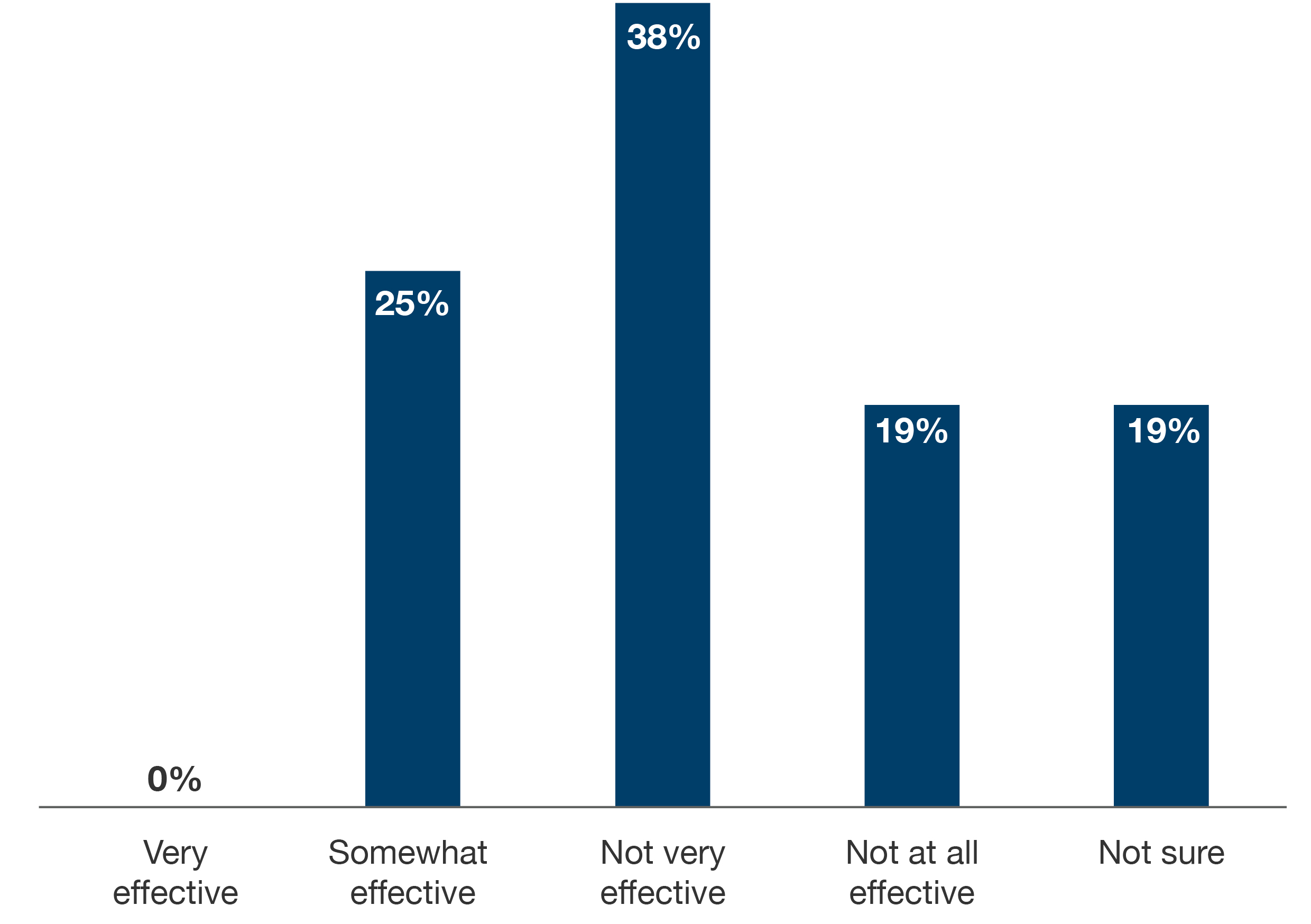

Figure 17: Effectiveness of state planning approval processes in enabling the energy transition

These findings are consistent with the Federal Productivity Commission’s recently released interim report Investing in cheaper, cleaner energy and the net zero transformation, which found energy infrastructure is taking too long to be developed, and that faster approvals would reduce emissions, lower costs for developers, attract investment and make energy cheaper than otherwise. The Commission reported that approvals under the Environment Protection and Biodiversity Conservation Act 1999 (Cth) take more than 500 days on average to be determined.

Interviewees corroborated these findings, cautioning that complex approvals processes are inflating risk profiles and eroding project economics.


“They are so disorganised, with the amount of different people and approvals needed. It adds to cost blow outs and underwriting challenges.”
Superannuation Fund

“There are major generation projects that will take more than five years to approve. That’s inevitably going to test the patience of mobile capital – let alone put energy reliability at risk.”
Infrastructure Investor and Developer


Intervention in the energy market yields mixed results

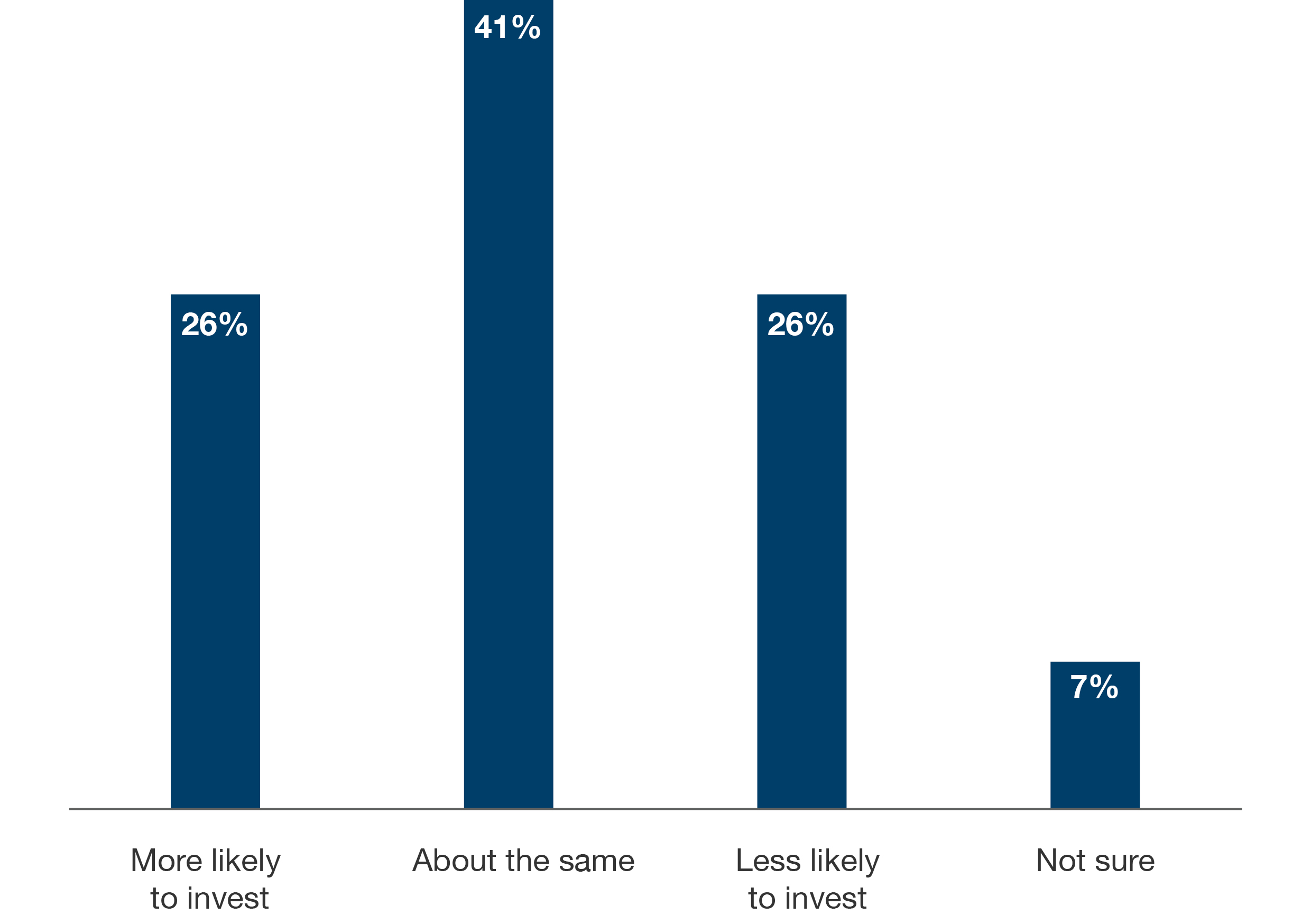
When considering the impact of direct government intervention in the energy market, 41 per cent of investors have said it would make no difference to their likelihood of investing (Figure 18). The remainder are evenly divided, with 26 per cent reporting they would be more likely to invest in energy transition infrastructure and 26 per cent less likely.

Some interviewees held strong views on government intervention in the transition, emphasising that government’s role should be to address delivery bottlenecks and provide regulatory certainty, while avoiding interventions that risk undermining market confidence.


“The challenge with government intervention in the energy space is that it is the wrong type of intervention. (…) And that often creates more issues, rather than fix the fundamental issues.”
Institutional Investor and Asset Manager

“Governments should be intervening to fix planning approvals, but instead they’re getting involved and changing the rules on other issues that affect market confidence.”
Institutional Investor

In the context of the recent draft review of NEM market settings:

“The most important issue is having predictability in market rules and market design. No one has been prepared to invest in long-term capacity style assets without a contract from [government], and reason is they don’t know when the rules are going to change, which is a risk given the payback period.”
Investment Bank


Figure 18: Impact of government interventions in energy markets on investors’ likelihood to invest in energy transition infrastructure

The Australian Energy Market Operator’s (AEMO)’s 2025 Electricity Statement of Opportunities found that all pipeline projects considered in its primary scenario need to be delivered on schedule to avoid reliability gaps in the National Electricity Market over the next 10 years. While the pipeline of projects assessed by AEMO and ANZIP are unlikely to be identical lists, Infrastructure Partnerships Australia’s analysis of ANZIP projects has already observed considerable delay in the delivery of energy infrastructure, with a cumulative delay of 21.8 years recorded across the pipeline in the 12 months to April this year.

Amid delays and reliability concerns in the National Electricity Market, policy, regulatory and planning processes have been identified by investors as critical areas for reform governments need to undertake to address bottlenecks and enable the transition to move to delivery.

Editorial,Use,Only.,Construction,Of,Battery,Energy,Storage,System,(bess)

Labour costs and industrial relations challenges remain top of mind for investors

Labour costs remain a leading concern for investors, topping the rankings for the second consecutive year, sitting alongside red and green tape in 2025 (Figure 13). This year, 56 per cent of participants identified labour costs as the biggest issue in the market.

Concerns over industrial relations has also intensified, rising 13 percentage points year on year to 41 per cent, and adding further uncertainty to already constrained supply chains. By contrast, concern over a lack of skilled personnel eased significantly, falling 30 percentage points from last year.

Interviewees pointed to construction costs including labour as key challenges, calling for governments to progress reform to enable increased access to skilled migration and address domestic workforce constraints.

“Work practices and industrial relations reform, coupled with a stronger commitment to skilled migration, keep coming up. Labour costs are adding substantially to the cost of construction.”
Investment Bank

“I’m not hopeful given how unbalanced some of the industrial relations reforms in the first term were, but the cost of building projects here is simply too high.”
Investment Bank

“The biggest issue is the cost of construction…”
Investment Bank

Investors increasingly perceive tax settings as disadvantageous

Participants identified taxation (41 per cent) as a top challenge to investing in Australian infrastructure this year (Figure 13), up sharply from just 17 per cent in 2024. Some interviewees linked this rise to structural disadvantages to foreign investors, causing eroding returns and making Australia less competitive against other markets.

“The return issue is real and a consistent challenge. The current tax position is quite disadvantageous for foreign investors.”
Institutional Investor

“They regard us as a competitive market and returns are not high. You’re competing against domestic super funds, a lot of foreigners are talking about being tax disadvantaged which eats into returns. Hedging costs due to currency swaps and tax leakage make returns low compared to elsewhere.“
Global Investor

Lack of opportunities and competition for assets identified as deterrents

The proportion of participants identifying a lack of opportunities as a challenge to investing in Australian infrastructure has risen by 16 percentage points since 2024, the second largest increase behind taxation (Figure 14). This is reinforced by the 41 per cent of respondents who cited competition for assets as a major barrier to deploying capital. This underscores a widening disconnect between the theory and practice of infrastructure investment in Australia. It is clear interest remains strong and confidence in the long-term pipeline is evident, but uncertainty persists around the timeframe for investable opportunities to materialise and the depth of the pipeline. Investors caution against complacency in the market, describing the current pipeline as relatively static, with a limited flow of new public-sector projects and constrained capacity in the secondary market to absorb demand. Without a visible and scalable flow of opportunities, participants warned that Australia risks losing capital to competing markets. Interviewees have reiterated calls made in previous years for governments to take a more active role in creating investable opportunities – whether by advancing a stronger greenfield pipeline, leveraging PPPs, or recycling assets to unlock capital. Investors stressed that without such action, Australia may struggle to fully capture the pool of capital waiting to be deployed.

“Unless governments rev up the infrastructure pipeline and greenfield market with a new commitment to PPPs and asset recycling, activity will be constrained to the secondary market – and there’s not enough action there to satisfy demand.”
Institutional Investor

“We know what works, because the asset recycling program – particularly in New South Wales – is a proven model. So let’s recommit to it.“
Institutional Investor

New South Wales leads investor preference, Victorian sentiment falls further

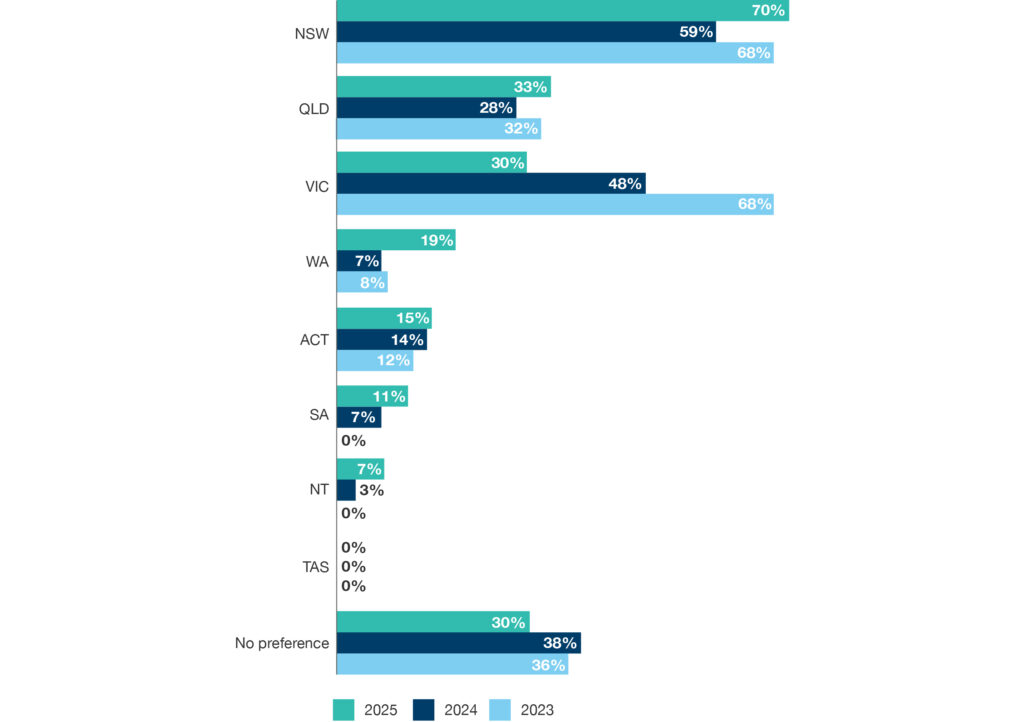
New South Wales has ranked as the top jurisdiction for investment in 2025, selected by 70 per cent of respondents (Figure 19). Interviewees expressed some surprise at this result, noting limited government signals on private finance opportunities – and previous signals during the independent toll review which courted sovereign risk and caused market uncertainty for a period. Nonetheless, they are watching closely for potential openings, with expectations that private capital may be sought to support major policy programs in housing and transport as these pipelines expand in the medium term.


Figure 19: Preference to invest in Australian jurisdictions
On housing in NSW:
“The risk for a state like New South Wales is it can’t facilitate the investment needed in infrastructure when it is pursuing a high-growth agenda on housing by exclusively using its own balance sheet.”
Investment Bank

On NSW’s transport requirements:
“New South Wales in particular will need to move beyond a dependence on the projects that the former government started.”
Infrastructure Investor and Developer

Investor preference for Victoria has declined for the second consecutive year, with only 30 per cent of respondents selecting it as an attractive jurisdiction – down 18 percentage points since 2024 and 38 percentage points since 2023 (Figure 19). For the first time, Victoria has fallen below second place in Investment Monitor rankings, overtaken by Queensland with 33 per cent support. Interviewees have attributed this sentiment to concerns over Victoria’s fiscal capacity and economic outlook.

On Victoria:
“… I can’t see them doing anything else in the shortterm. It may be they have some capacity for smaller scale social assets rather than major infrastructure, but that’s it.”
Infrastructure Investor and Developer


Queensland offers a potential bright spot with strong forward pipeline

Queensland has held steady at around 30 per cent interest for the last three years as a preferred destination for investors, with respondents cautiously optimistic about its prospects. The State’s infrastructure funding has increased 124 per cent since 2021, with Queensland now allocating the second most funding to infrastructure as a share of general government expenditure of any jurisdiction in Australia. Interviewees cited high population growth, infrastructure requirements for the 2032 Brisbane Olympic and Paralympic Games, pipeline visibility and the Government’s willingness to engage with private capital as drivers of growing investor confidence.

“I feel quite positive about Queensland. Having gone through the budget cycle, we’ve now got a better view of what they have in mind on procurement – and not just from the Games. They’ve given strong indications on where they see private finance as being important and able to play a role.”
Infrastructure Investor and Developer

“There’s a lot going on with high population growth and the Olympics, and the scale of the infrastructure spend required. A lot of government corporations are looking at how they can leverage private capital.”
Investment Bank

Social licence takes priority in regional investment decisions

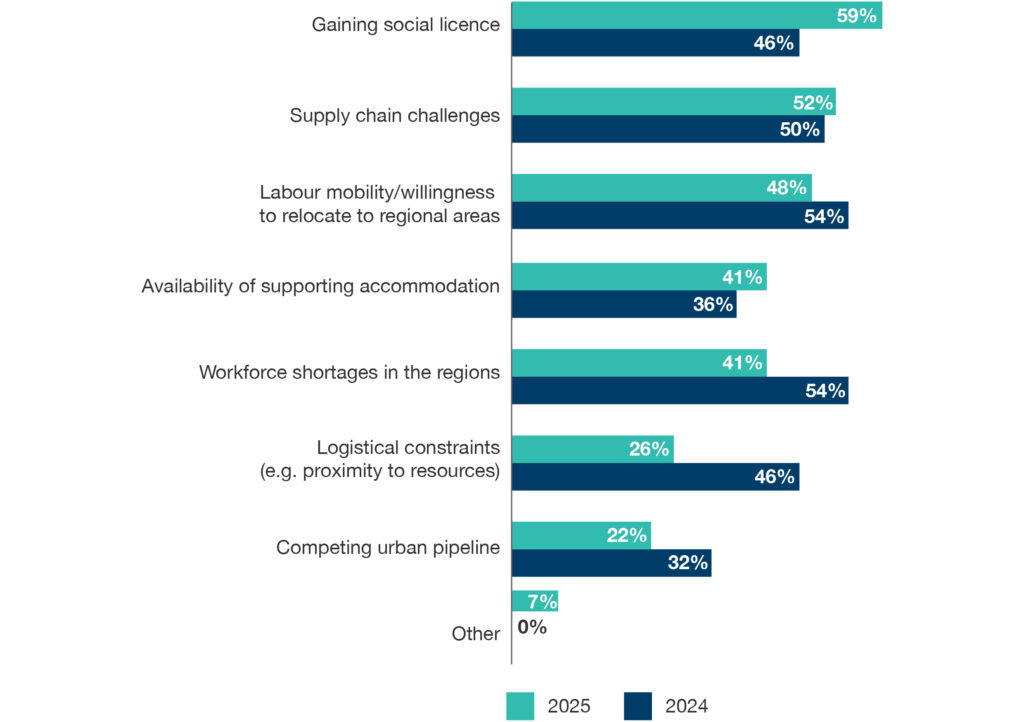
Investor interest in regionally located projects remains robust, with 81 per cent open to investment opportunities outside metropolitan areas (Figure 20). Notably, social licence has now emerged as the most important determinant of investment decisions, rising from fifth to first place in priority, while logistical constraints have fallen in significance by 20 percentage points (Figure 21).


Figure 20: Extent respondents would consider investing in regional projects
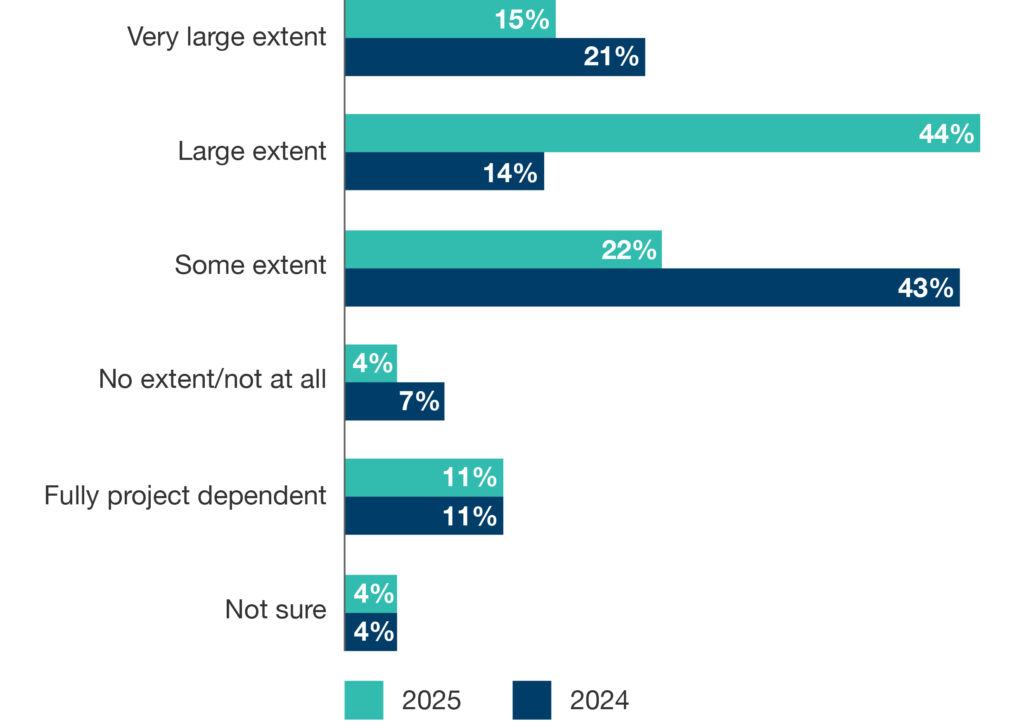

Figure 21: Factors affecting willingness to invest in regionally located projects

This shift in investor focus is particularly relevant given the scale of regional opportunities available. Of the Australian projects listed on ANZIP, 46 per cent are located in regional or remote areas, accounting for 47 per cent of the pipeline’s total value. While this represents a decline from 54 per cent and 56 per cent respectively in 2024, the regional pipeline nonetheless remains substantial. The energy sector is especially prominent, with 82 per cent of energy projects situated in regional or remote parts of the country, compared with 67 per cent last year, underscoring the sector’s concentration outside metropolitan areas.

Bruce,Highway,Townsville,To,Mackay,,Queensland,,Australia, ,November,2021:

Appendix A: Methodology and Participant Profile


Methodology

This report provides a unique insight into the preferences, intentions and sentiments of major market participants who have invested or are considering investing in the Australian infrastructure market.

The report draws on both quantitative and qualitative research to provide insights into the perceptions of investors about Australian infrastructure and the factors that influence their decisions.

In the second quarter of 2025, we conducted a quantitative survey of 27 senior market participants to understand investment trends in Australian infrastructure.

We followed the survey with detailed qualitative interviews with 13 leading Australian and international infrastructure investors to gain a deeper insight into the observed investment themes.

As the tenth edition in this series, the report also identifies changes in investment intentions over time and investigates the underlying causes of observed trends.

Participant Profile

The market participants surveyed are senior representatives of major infrastructure organisations with over A$686 billion invested globally, including banks, fund managers, superannuation funds, pension funds, investors, investment managers and infrastructure constructors and operators.

  • 75 per cent of the participants manage more than A$10 billion of investments
  • 37 per cent hold more than half or all of their investments in global infrastructure
  • 52 per cent hold more than half or all of their investments in Australia


Figure 22: What is your investment status in Australia in 2025?
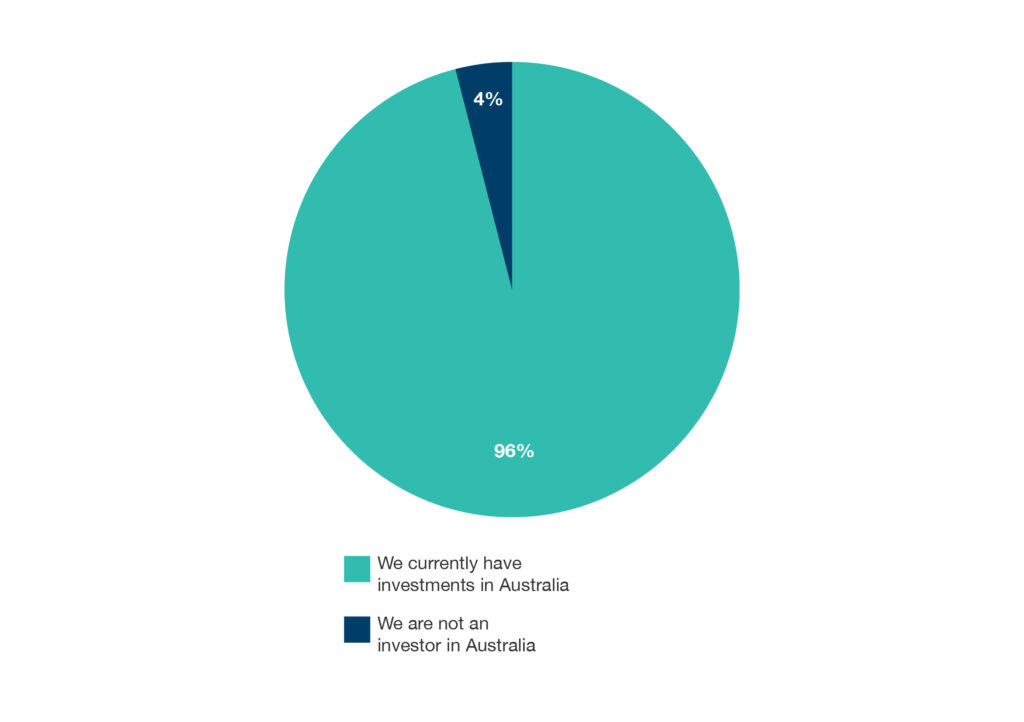
 

Figure 23: What proportion of your global investments are in infrastructure?
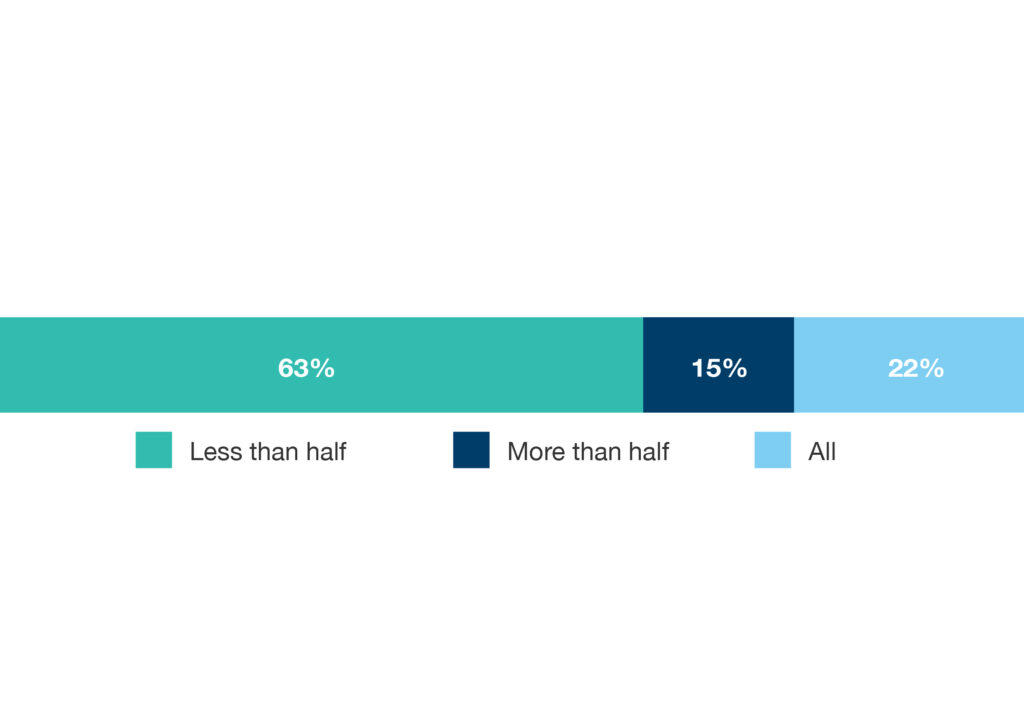
Figure 24: What proportion of your infrastructure investments are in Australia?
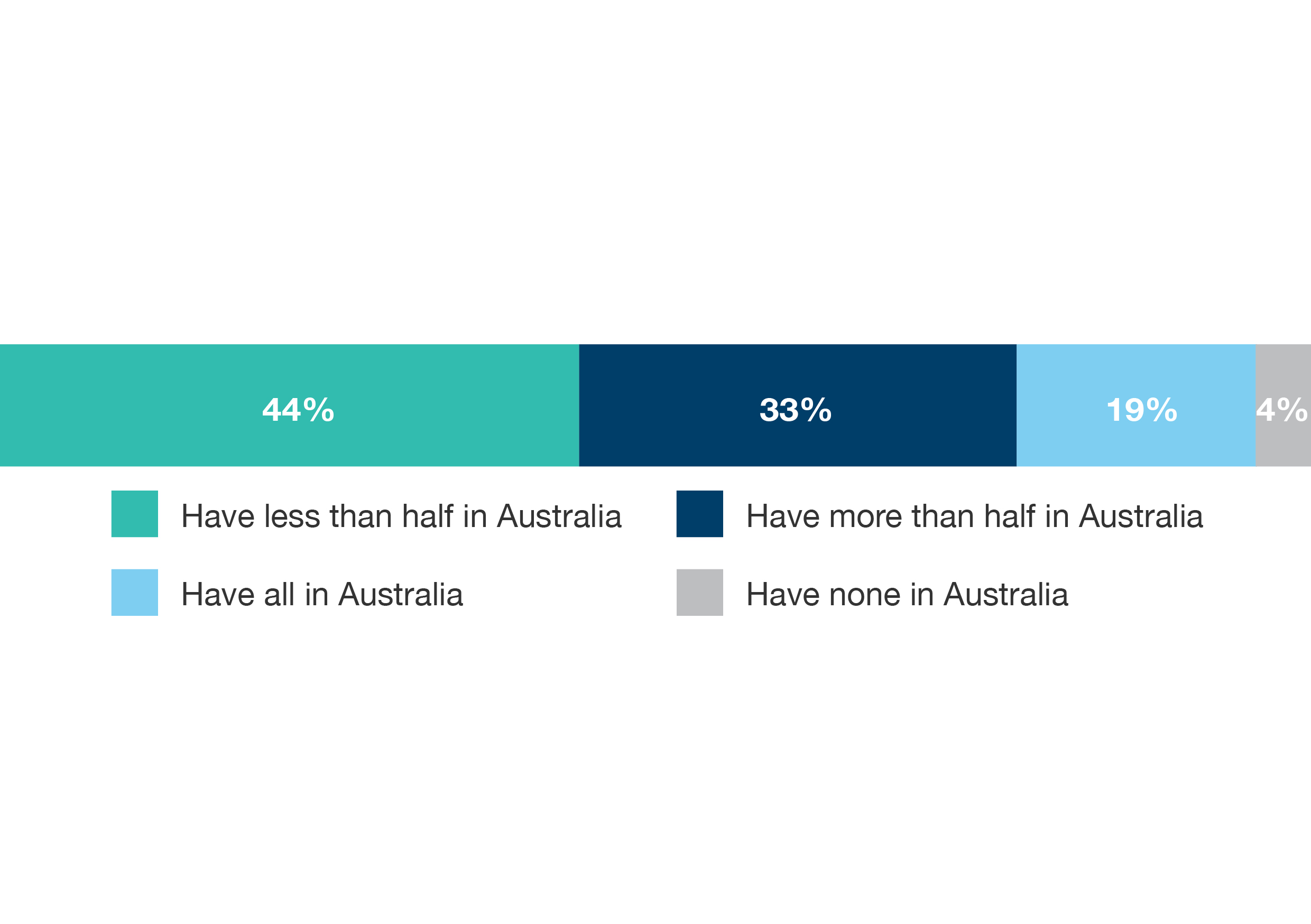
Figure 25: Approximately how much in total do you currently have invested in infrastructure globally?
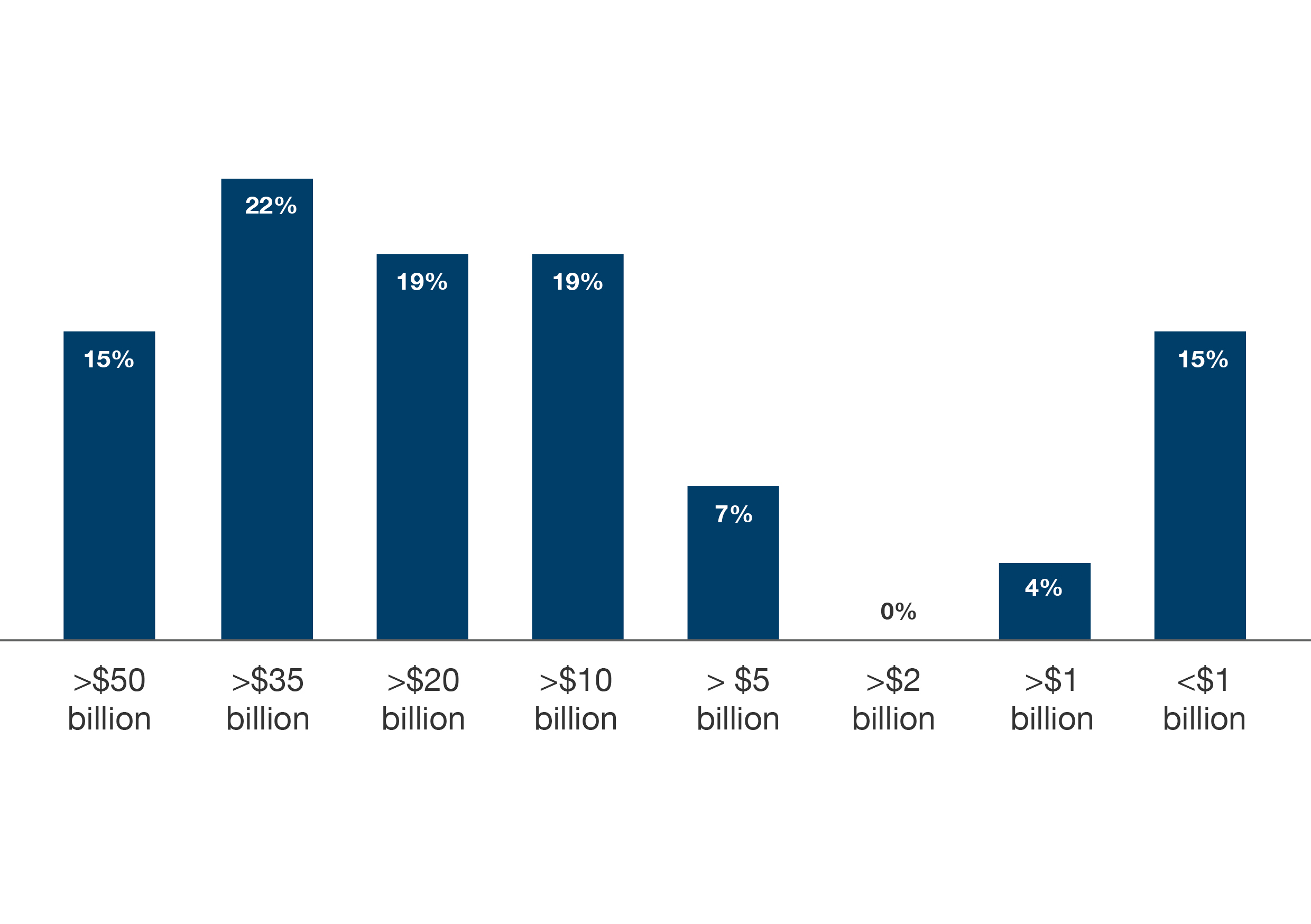
Figure 26: What types of infrastructure projects do you currently invest in, in Australia?
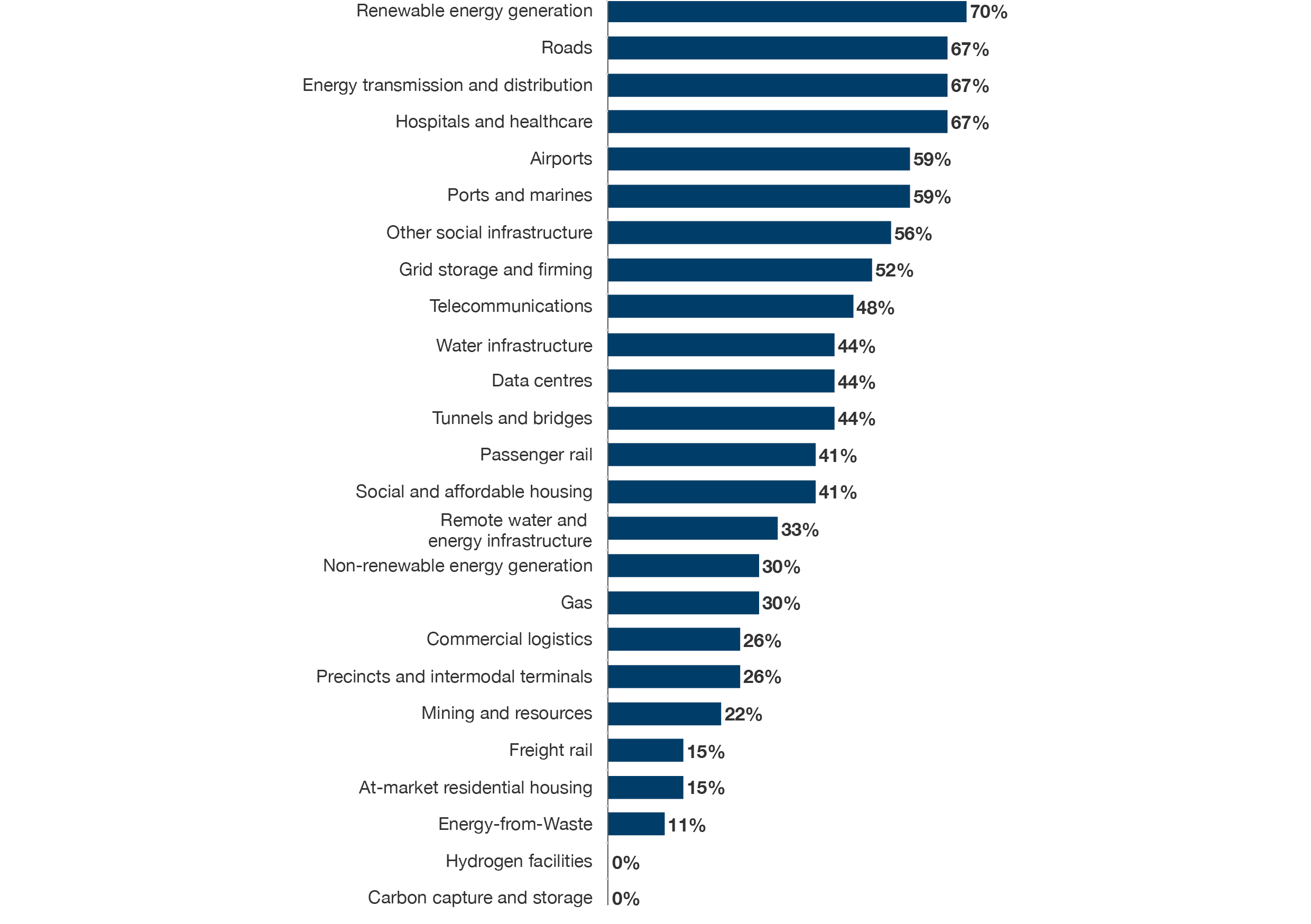
 

Appendix B: Additional Data


Investor preferences

Figure 27: Do you prefer to deploy your investments through debt or equity?
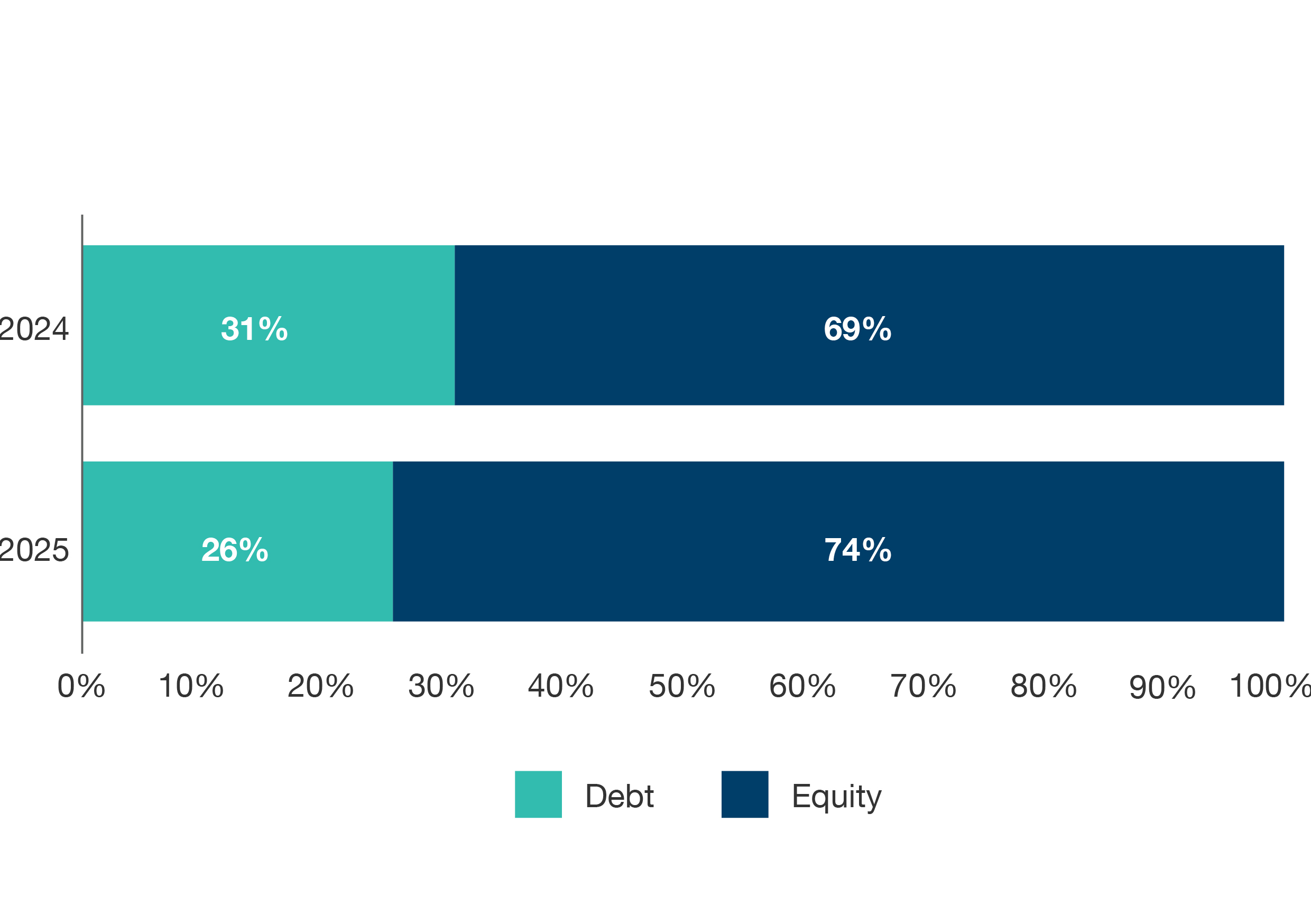
 

Figure 28: Assuming there were enough projects of the right size and type, what is the combined total amount that you would be comfortable investing in Australian infrastructure projects?
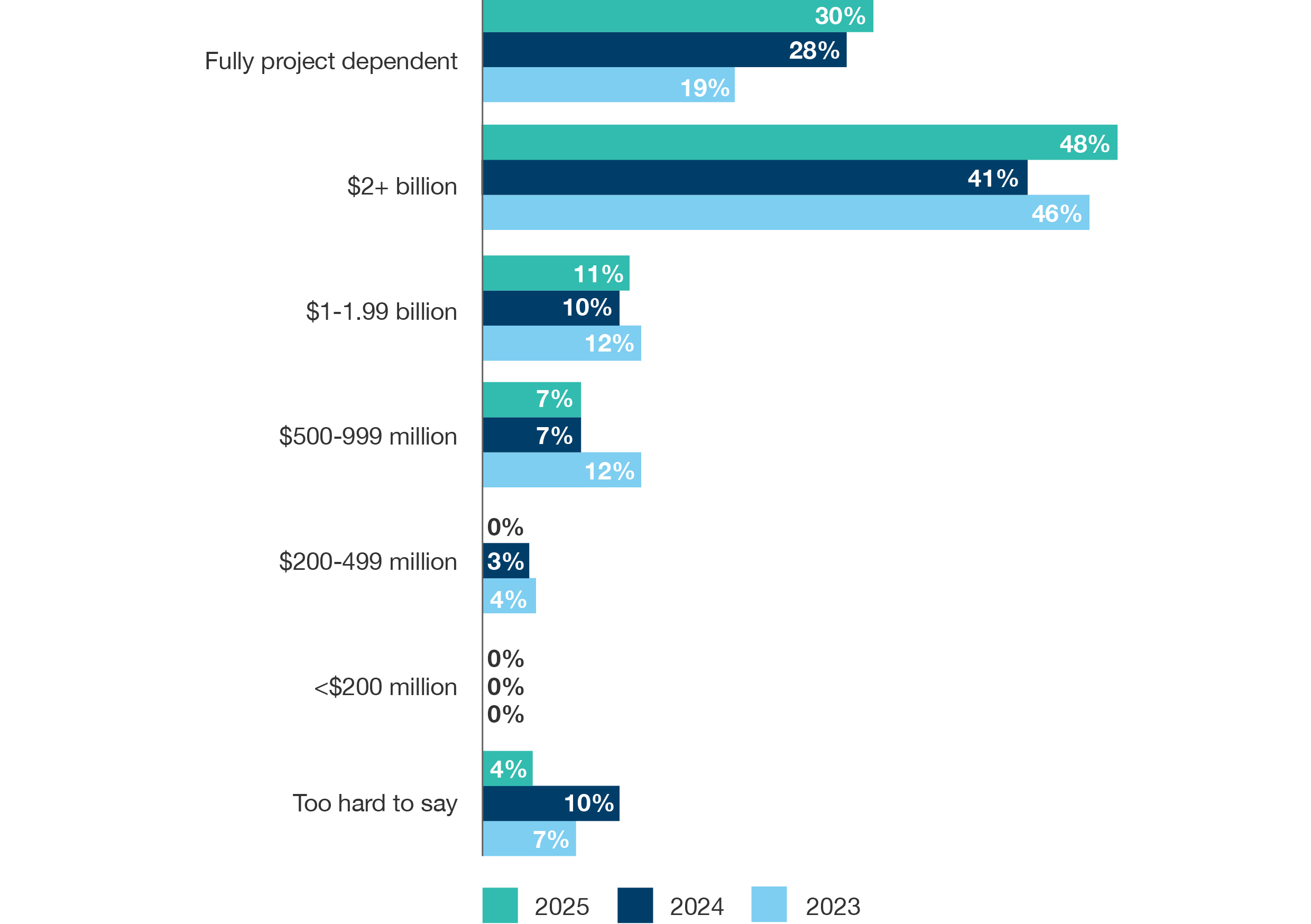
 

Figure 29: Assuming there were enough projects of the right size and type, what is the maximum size of single investment that you would be comfortable investing in Australian infrastructure projects?
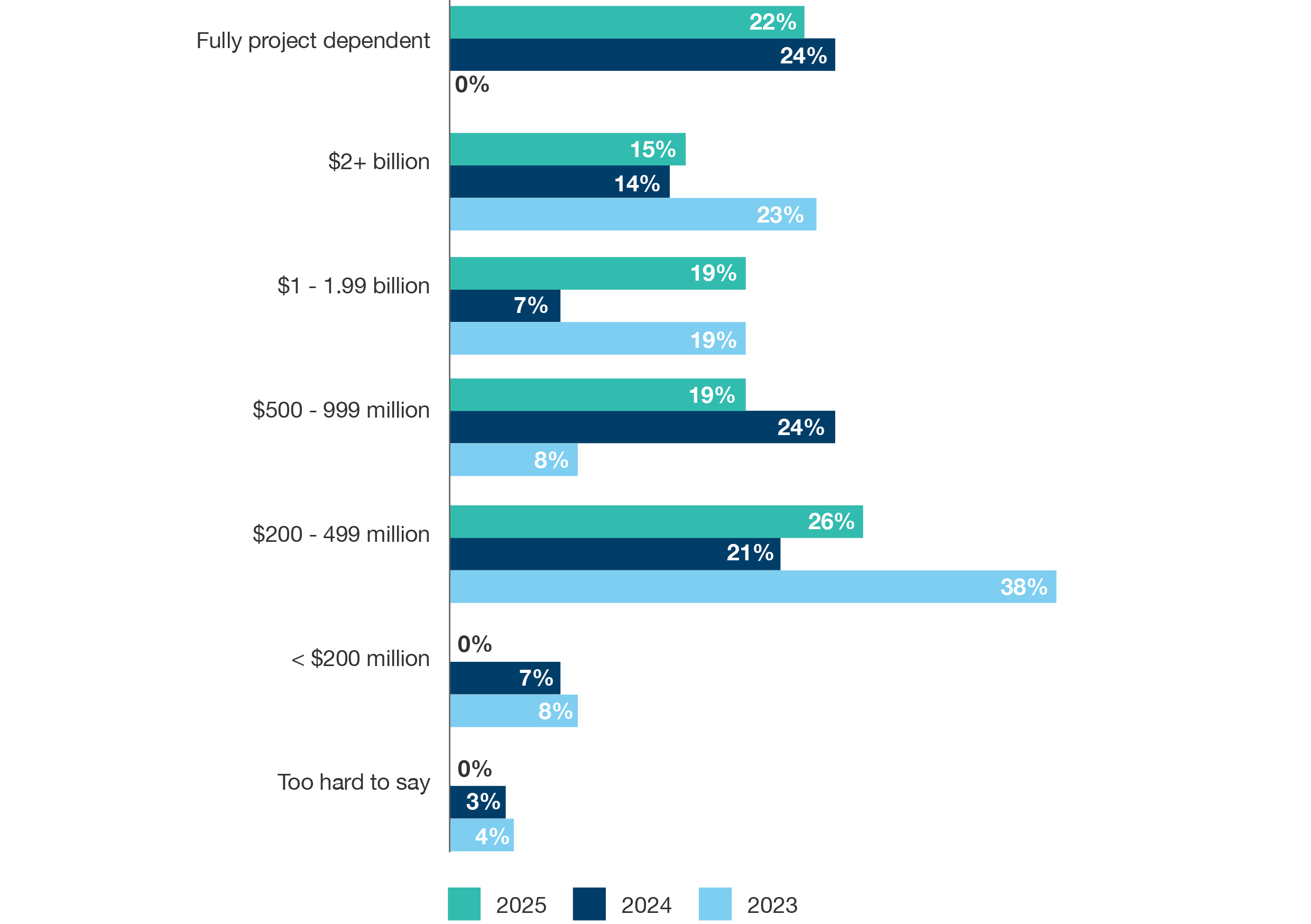
 

Figure 30: Are you more or less likely to engage in M&A activity compared to a year ago?
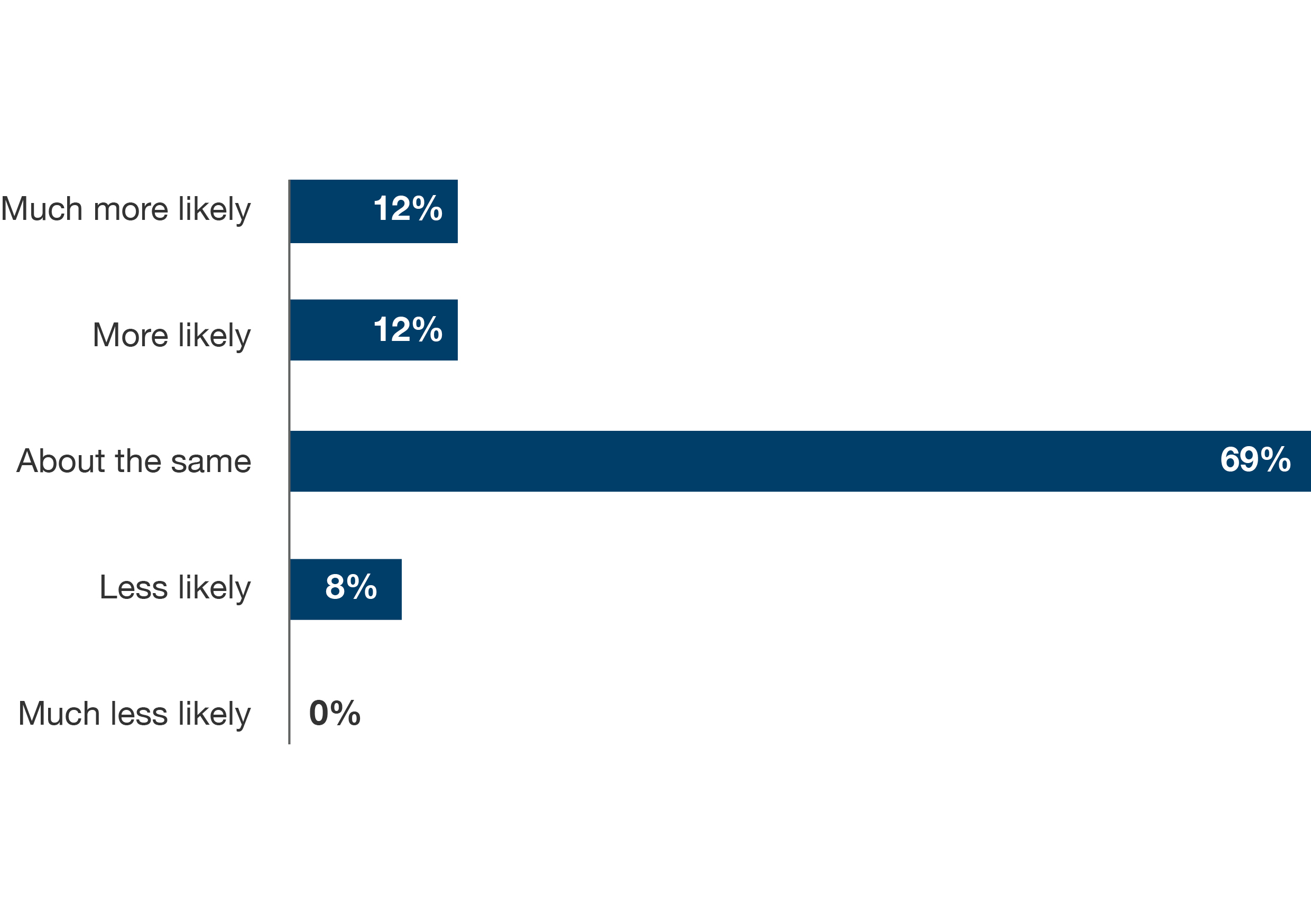
 

Figure 31: Do you prefer investing in greenfield projects, brownfield projects, or major expansions to existing assets?
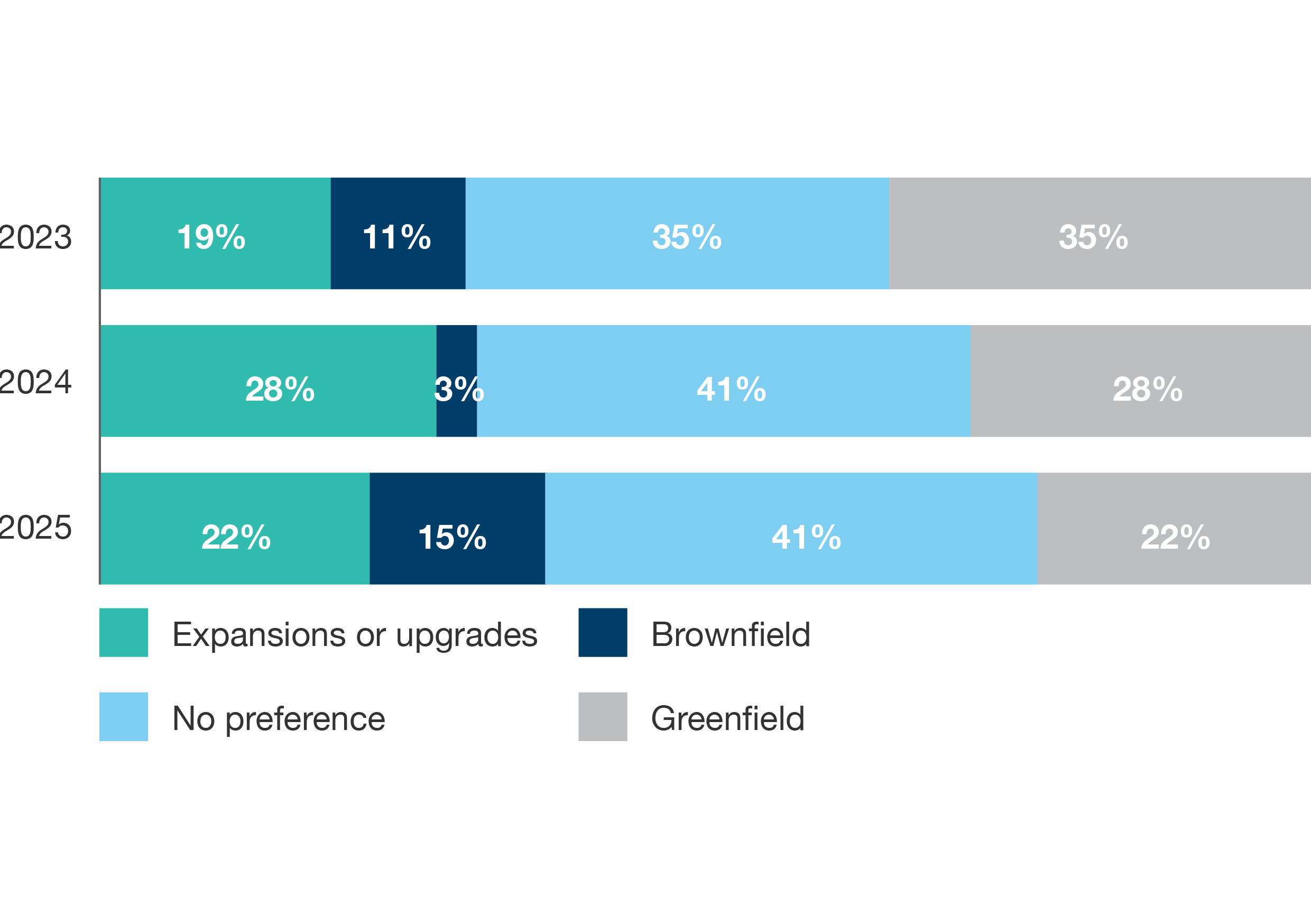
 

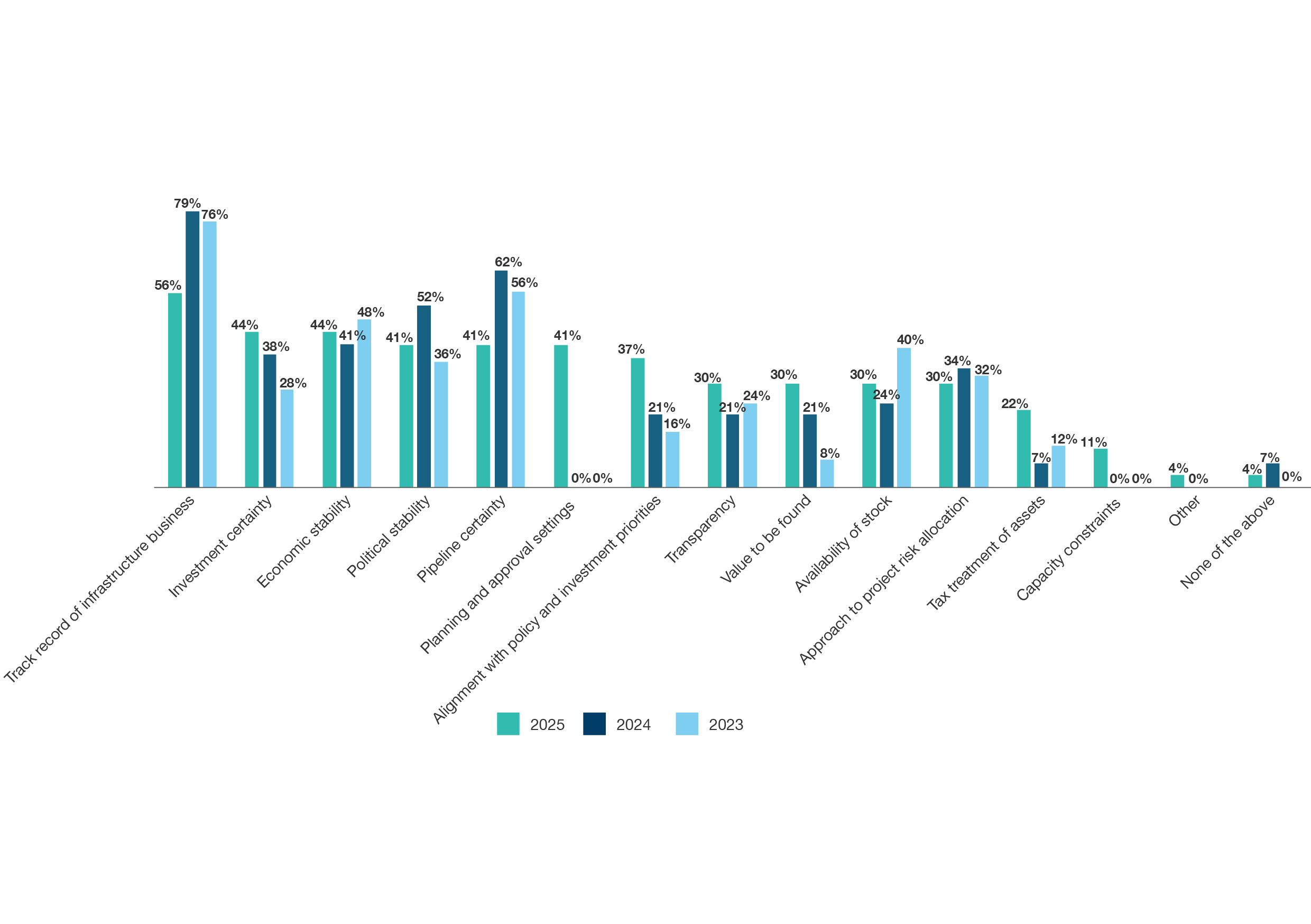
Figure 32: What factors make particular jurisdictions more attractive?
 

Emerging market conditions

Figure 33: Key drivers of the shift to ESG investments
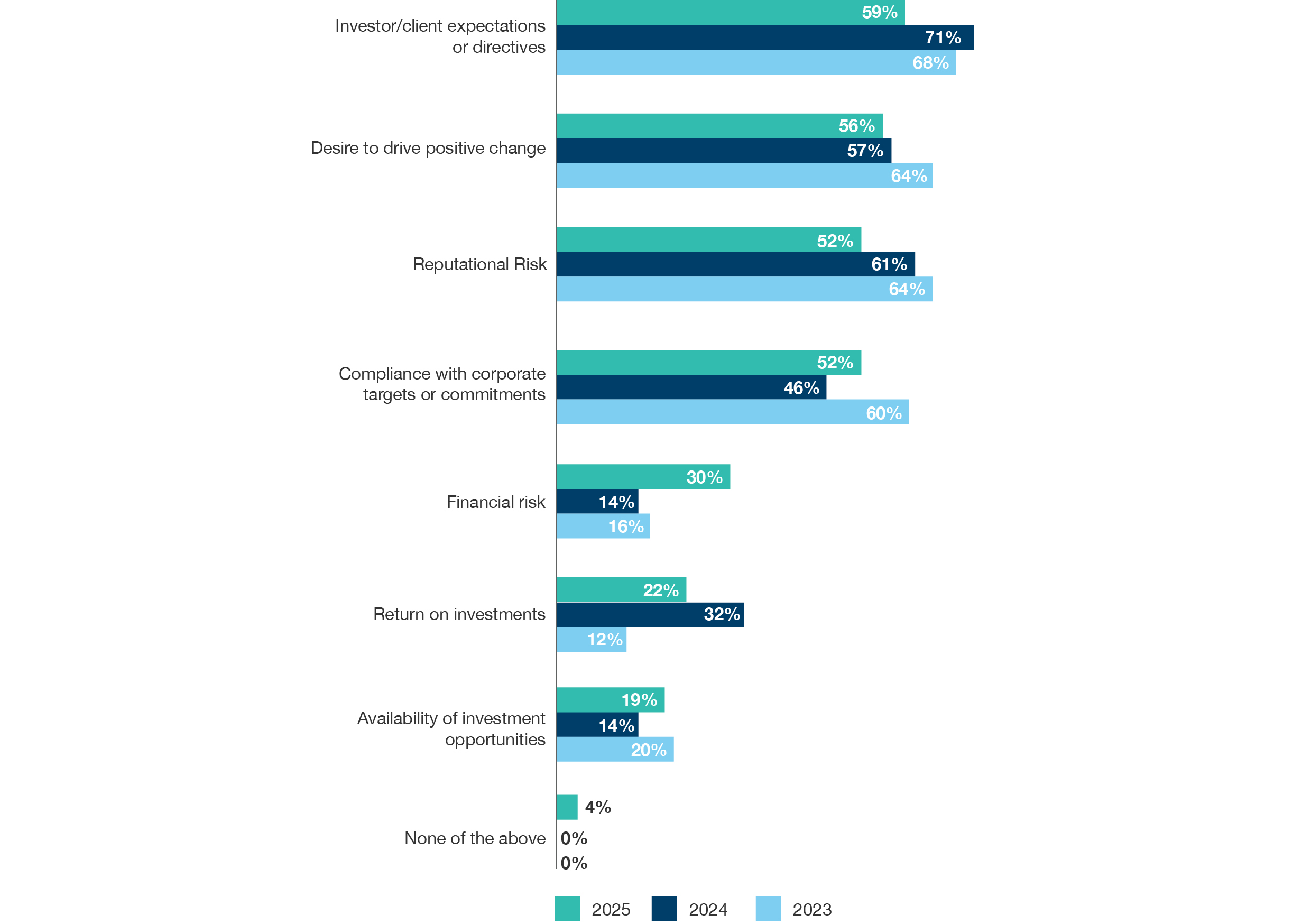
 

Figure 34: How important are Scope Three emissions as a consideration in investment decision making?
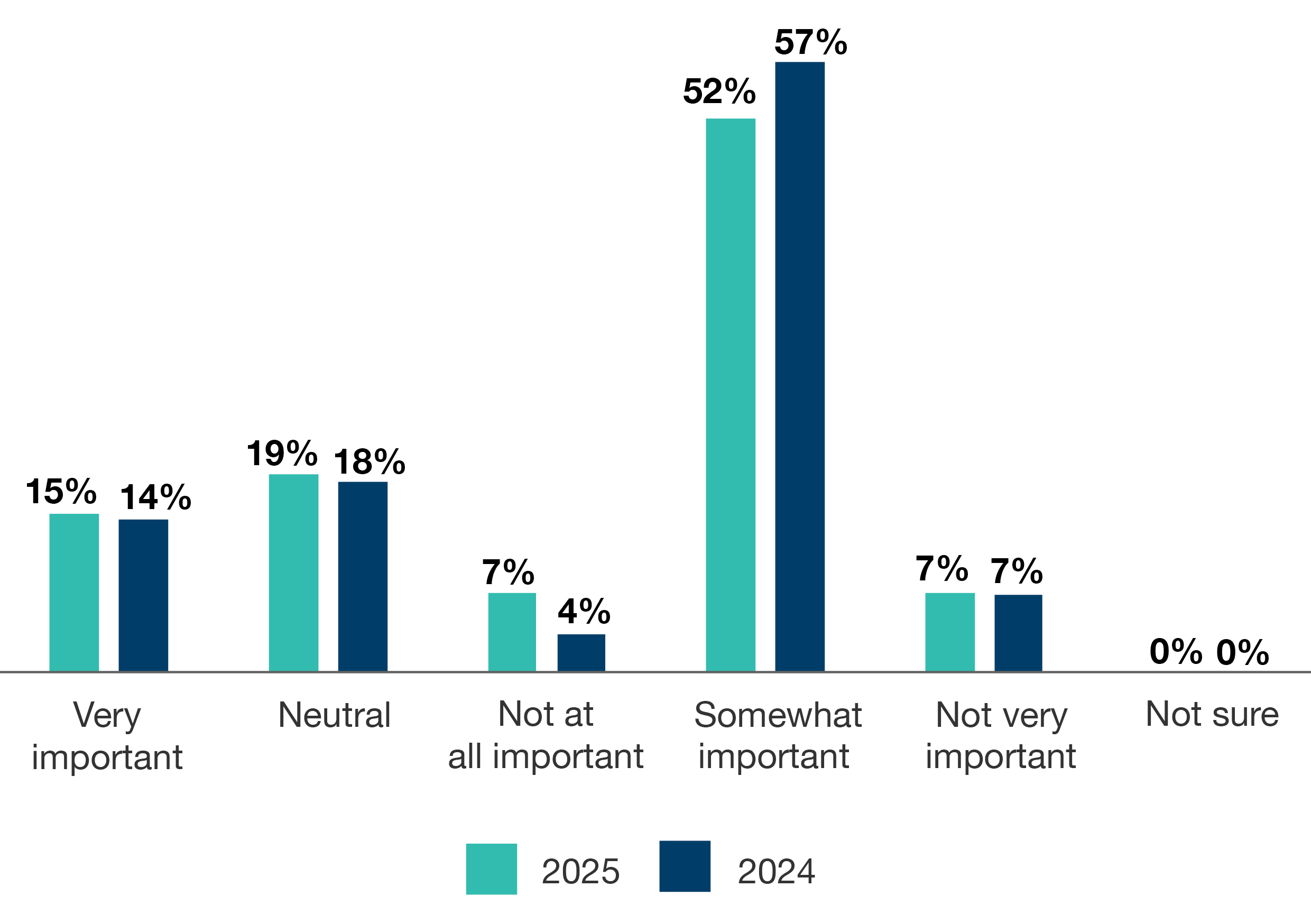
 

Figure 35: Factors that are more important to investors compared to 2024
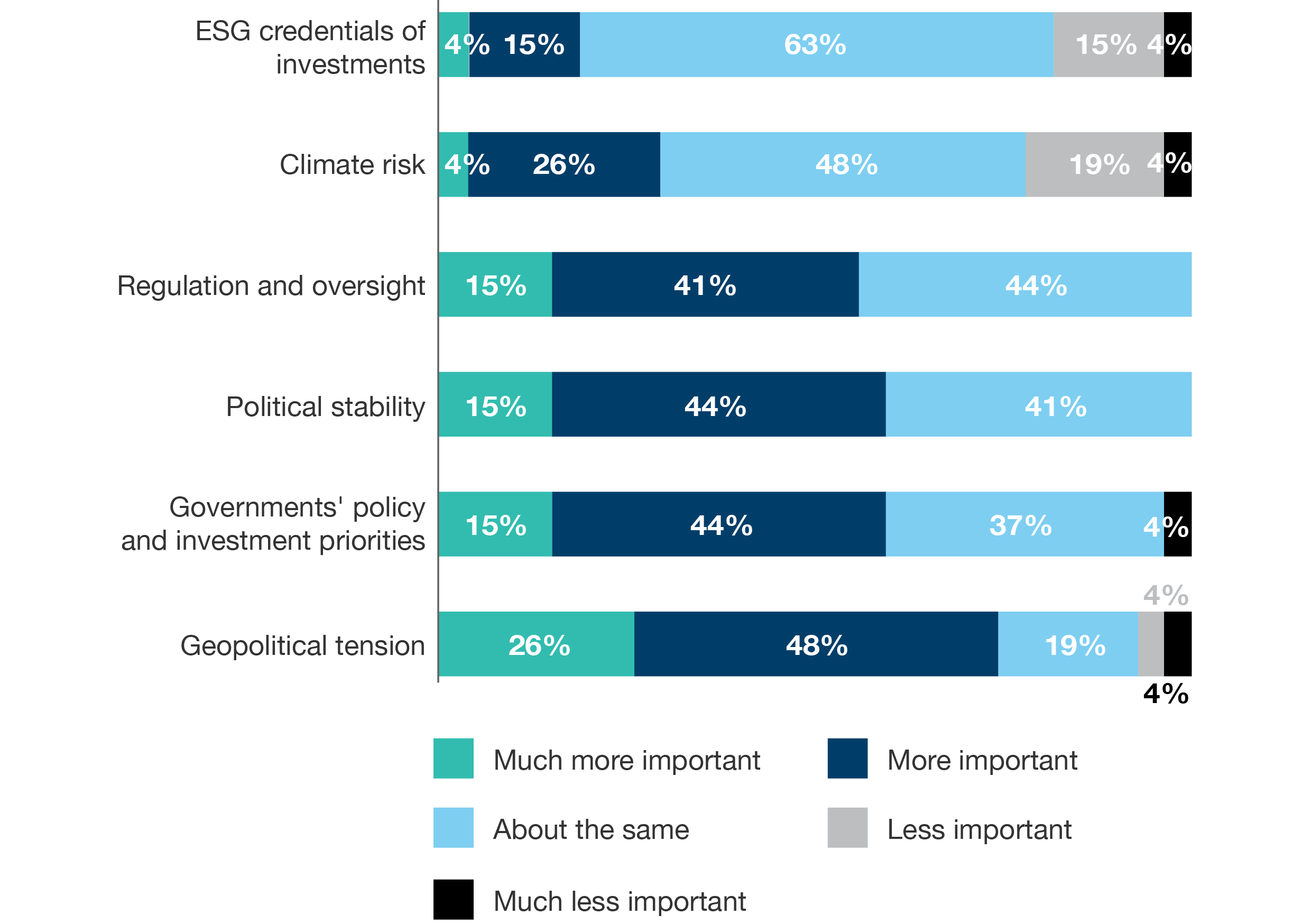
 

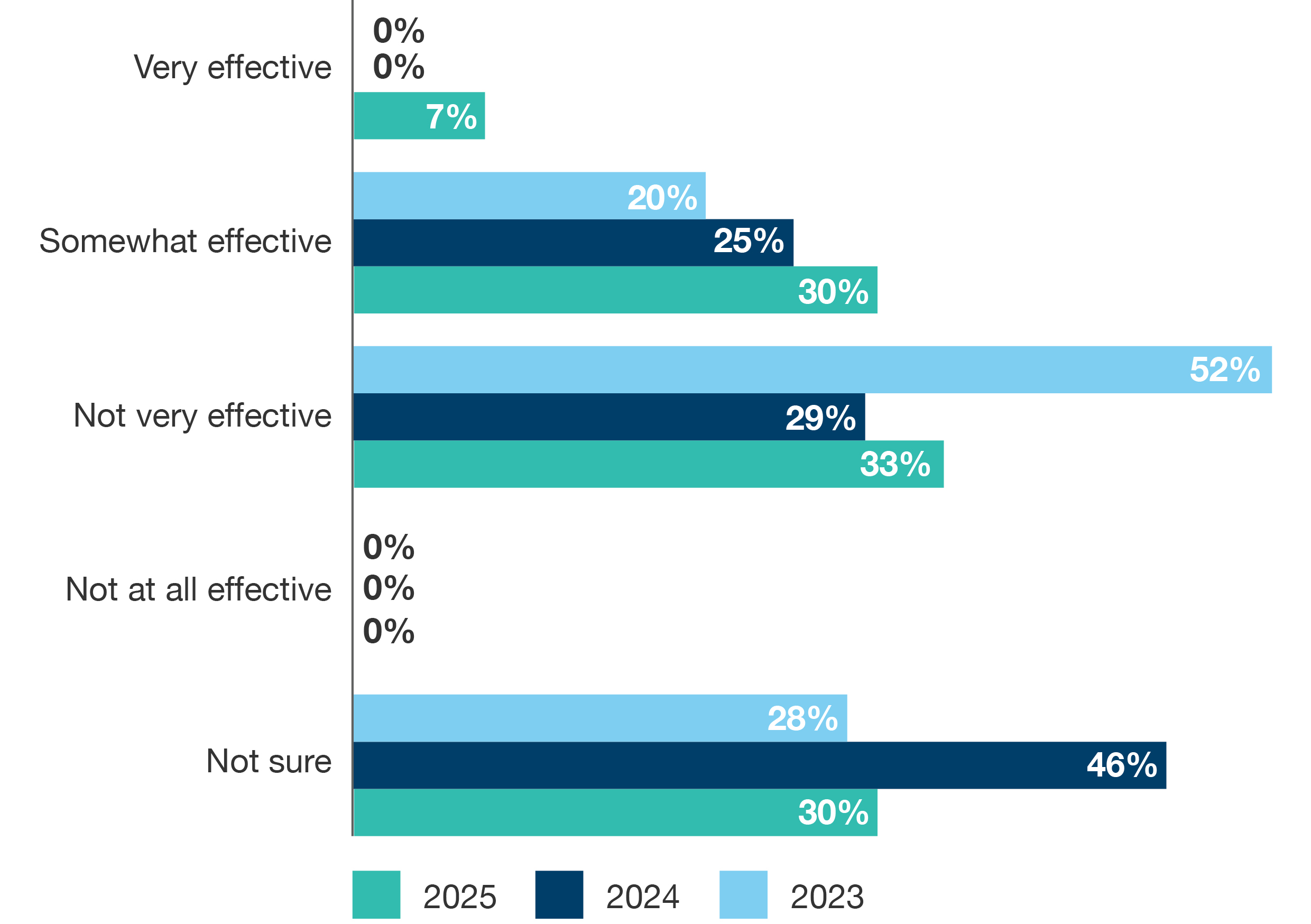
Figure 36: Effectiveness of Australia’s policy settings in attracting overseas skilled labour
Contact Information

Adrian Dwyer

Chief Executive Officer

Katie Dempsey

Senior Policy Manager

For media inquiries

Boronia Morison

Head of External Affairs